Tattoo-Friendly Onsen in Minato City, Tokyo
By Ikumi H.
Independent guide, based in Japan. Every facility verified via Google Places. How we verify →
Last updated: 2026-10-01 · 5 min read
Finding a tattoo-friendly bath in Tokyo is genuinely difficult — and Minato City, home to Roppongi's international crowd, is one of the better places to start looking. Japan's blanket tattoo bans trace back to the Meiji era and were reinforced by yakuza association stigma throughout the 20th century. Today, enforcement is inconsistent and generational: some older sento owners remain strict, while newer or internationally-facing venues have quietly relaxed. Knowing which is which before you strip down saves everyone awkwardness.
The five venues below are confirmed operational and have substantial review counts on Google Maps as of mid-2026. One sits directly in Minato City; the others are practical alternatives across central and eastern Tokyo when your first choice is full or closed.
KUDOCHI Onsen Roppongi — Minato City
The only verified Minato City entry on this list, KUDOCHI sits in the basement of a building in Roppongi 7-chome — a location that tells you something about its clientele. Roppongi is Tokyo's most internationally trafficked nightlife and arts district, and a bath house operating here is almost certainly accustomed to foreign guests, many of whom carry ink. Rated on Google Maps, the review count is still growing, which means this is a relatively recent or quietly-known spot worth watching.
Because it's newer and in Roppongi, tattooed visitors have reported positive experiences, but always confirm the current policy before you visit — management can change, and a 50-review sample is smaller than the other venues here. Ask directly: "Irezumi ga aru no desu ga, haitte mo ii desu ka?" ("I have a tattoo — is it okay for me to enter?"). A short, respectful question goes a long way.
🏨 Find stays near these spots →
Mannen-yu — Shinjuku (Okubo)
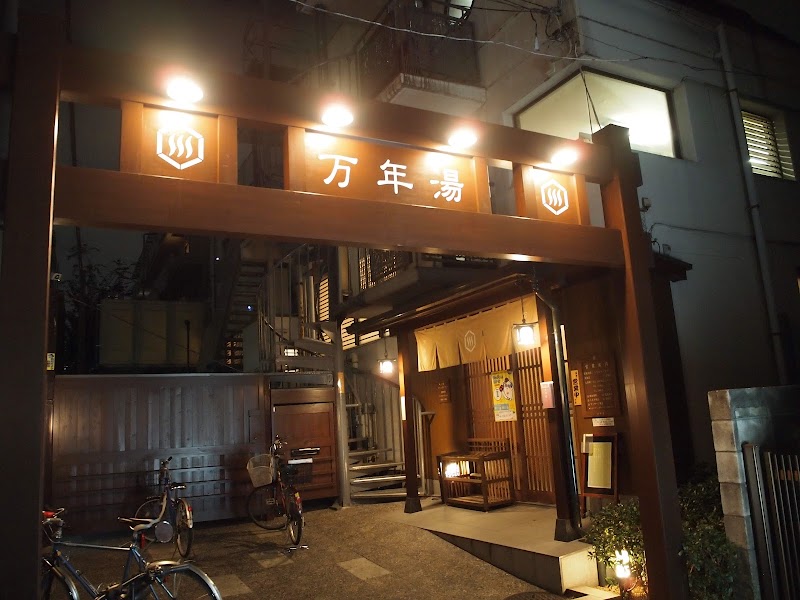
Mannen-yu in Okubo, Shinjuku is one of Tokyo's most internationally reviewed sento, scoring — a volume that signals consistent, long-term visitor trust. Okubo's Koreatown location means staff are used to international guests and a more relaxed cultural atmosphere than traditional residential sento.
Sento (public bathhouses fed by regular heated water) differ from onsen (which use natural mineral spring water) in origin, but the tattoo rules are set by individual owners regardless of the label. Mannen-yu's review profile suggests tolerance, but again: verify first. For smaller tattoos, waterproof cover-up patches (irezumi kakushi シール, available at some pharmacies and online) may be requested. Most venues that accept covered tattoos will specify a maximum size — typically nothing larger than a palm. Ask about this specifically: "Shiiru de kakuseba daijoubu desu ka?" ("Is it okay if I cover it with a sticker?")
Konparu-Yu — Ginza, Chuo City
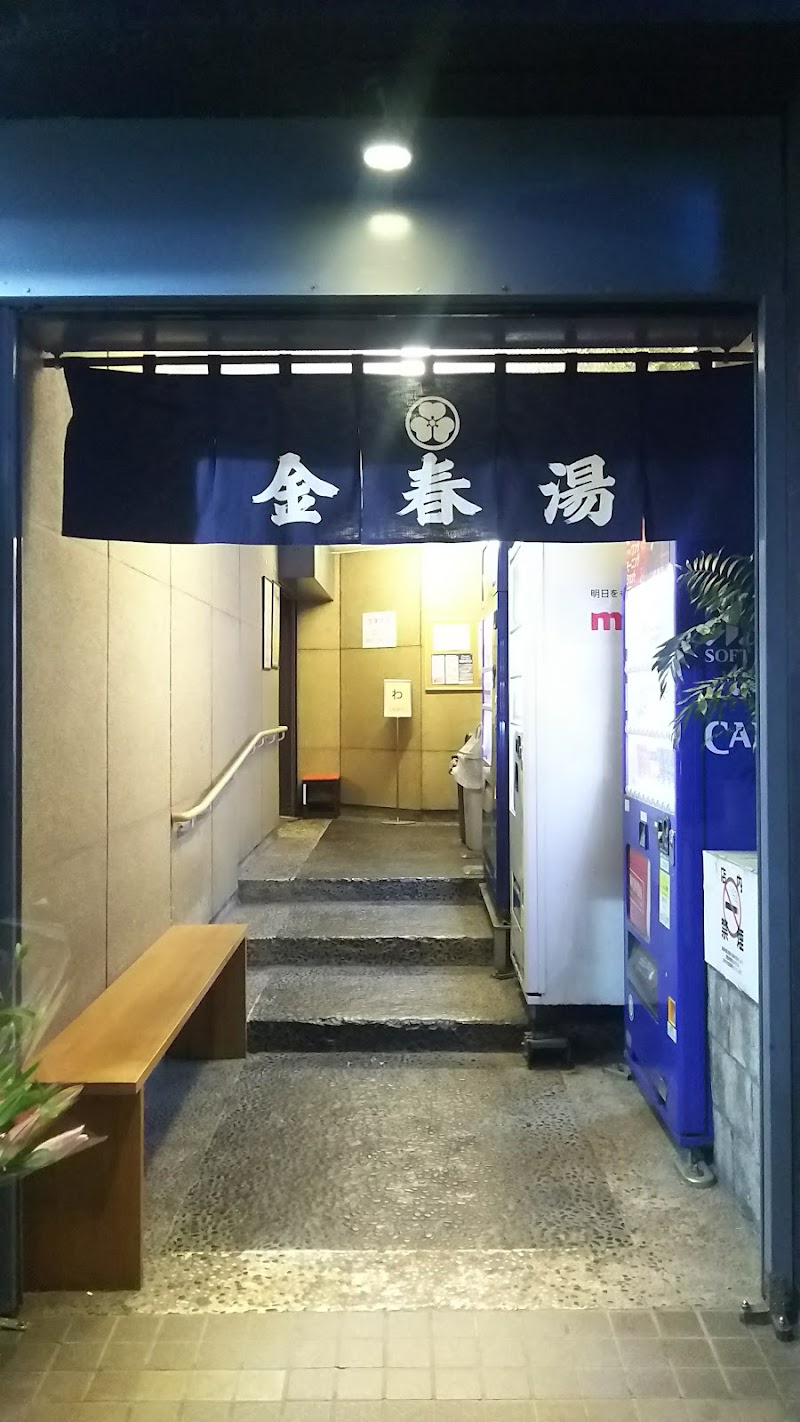
A working sento tucked into a Ginza office building, Konparu-Yu carries and is a genuine neighborhood bath rather than a tourist facility. Its location in the heart of Ginza makes it a useful option if you're based in the Chuo/Minato area — it's a short taxi or metro ride from Roppongi or Toranomon.
Ginza sento traditionally served local workers and artisans; the clientele has always been mixed. That said, Konparu-Yu is a classic establishment with traditional sensibilities. Smaller, discreet tattoos with coverage may be tolerated; larger sleeves or chest pieces are more uncertain territory. This is precisely the venue where calling ahead (or having a Japanese-speaking contact do so) is worth the effort before making the trip.
Mikokuyu — Sumida City
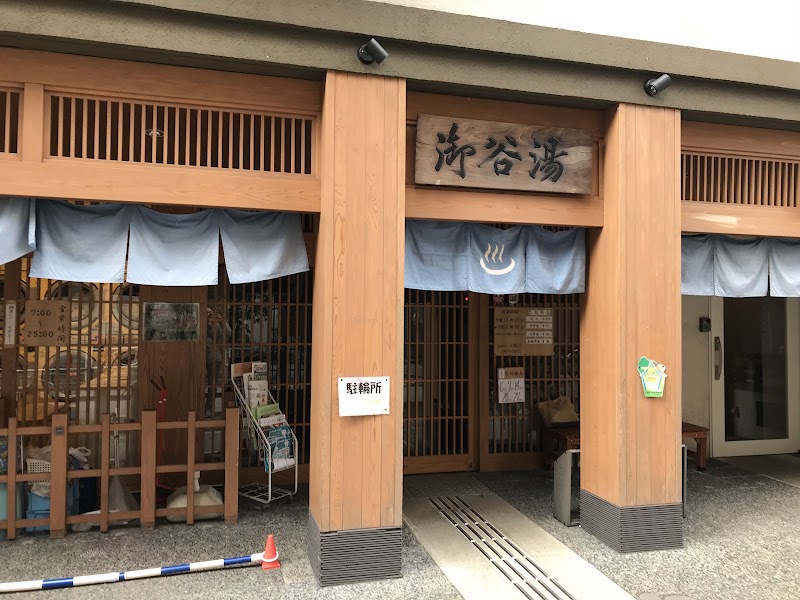
Mikokuyu in Ishiwara, Sumida is a standout: makes it one of the most-reviewed sento in Tokyo, and that scale of feedback from international visitors is meaningful signal. Sumida draws a younger, creative crowd, and sento in this area have adapted accordingly.
Heavily-tattooed visitors report positive experiences here with some regularity in online travel communities. It's worth the 20–25 minute metro ride from Minato City if your ink is extensive and you want somewhere with a genuinely tolerant track record. Look for the kashikiri (貸切, private bath) option if available — private family or couples baths sidestep the communal policy entirely and are the single most reliable solution for heavily tattooed visitors anywhere in Japan. Ask: "Kashikiri buro wa arimasu ka?" ("Do you have a private bath?")
Hasunuma Onsen — Nishi-Kamata, Ota City
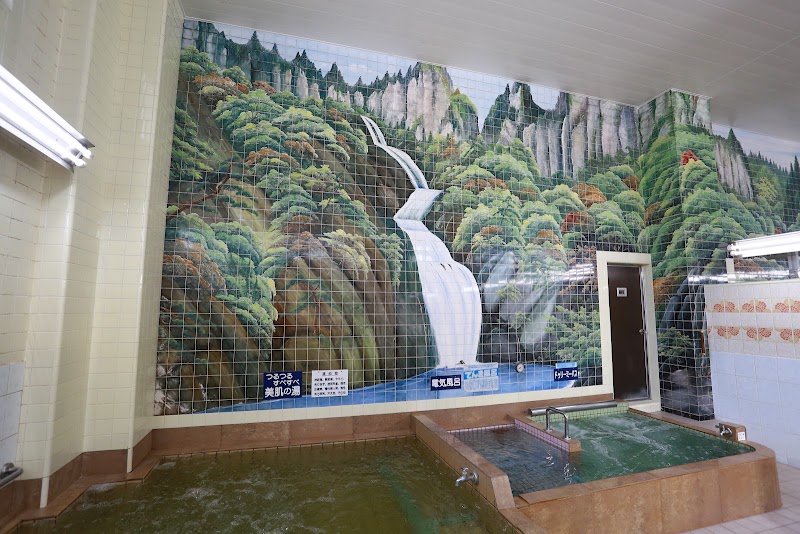
Hasunuma Onsen in Ota City carries and is notable for using the onsen designation — meaning the water is natural mineral spring water, not just heated tap water. That's a different bathing experience, and Hasunuma is well-regarded for the quality of its water. It's further out, near Kamata in Ota, but accessible by Tokyu Ikegami or Tamagawa lines.
Ota City has a large blue-collar and international residential community, and onsen here tend to be pragmatic about tattoo policies. Confirm before visiting, but this is a venue worth the trip if you want authentic onsen water rather than sento-style bathing.
How to Verify Before You Go
Policies change without announcement. Build these steps into your routine before every visit:
Check Google Maps reviews sorted by "Newest" and filter for mentions of tattoo, irezumi, or ink. Recent firsthand accounts are more reliable than anything published six months ago.
Call ahead using these phrases:
- General inquiry: "Irezumi ga atte mo nyūyoku dekimasu ka?" (Can I bathe if I have tattoos?)
- Cover-up inquiry: "Shiiru de oōeba, haitte mo ii desu ka?" (Can I enter if I cover them with stickers?)
- Private bath: "Kashikiri no ofuro wa arimasu ka?" (Do you have a private bath available?)
Look for these signals in listings: phrases like タトゥーOK (tattoo OK), 外国人歓迎 (foreign visitors welcome), or 個室あり (private rooms available) are green flags when scanning Japanese-language Google listings or the venue's own website.
Buy cover patches before you travel. Waterproof silicone tattoo cover patches are widely available on Amazon Japan or at larger Don Quijote stores. Bring several sizes.
Closing Tips
Minato City is not traditionally a sento district — it's an embassy and business ward — so your verified local option (KUDOCHI in Roppongi) is a genuine find. Pair it with a backup from the list above based on your location and ink coverage. Always approach staff politely and early; a respectful, direct question before you pay dramatically improves outcomes. Japan's bathing culture rewards patience and consideration, and tattooed visitors who approach it that way consistently report better experiences than those who don't ask at all.