Best Tattoo-Friendly Onsen Near Kyoto (2026 Guide)
By Ikumi H.
Independent guide, based in Japan. Every facility verified via Google Places. How we verify →
Last updated: 2026-10-01 · 5 min read
Finding tattoo-friendly bathing in Kyoto is genuinely harder than it sounds. Japan's onsen culture has deep roots in exclusion policies tied to yakuza associations, and many facilities — especially traditional ryokan onsen — still enforce strict no-tattoo rules. But Kyoto's sento (public bathhouse) scene and a handful of onsen facilities have quietly shifted, either by explicitly welcoming tattoos or by offering private bathing options that sidestep the issue entirely. The five venues below are confirmed operational with strong review counts as of mid-2025. Always verify current tattoo policy directly before you visit — policies change, and front-desk staff will appreciate you asking in advance.
Funaoka Onsen — Kita Ward (Murasakino Area)
Funaoka Onsen is one of Kyoto's most celebrated historic sento, and it earns its reputation. Located in the Murasakino neighbourhood of Kita Ward, this bathhouse dates back over a century and features striking decorative tilework and carved wooden architecture. With a 4.3-star rating across 1,481 Google reviews, it draws a loyal mix of locals and curious visitors.
Sento — as distinct from onsen — are municipal-style bathhouses using heated tap or well water rather than natural hot spring water. This distinction matters for tattoo policies: sento in Kyoto operate under city licensing and have historically been more flexible than resort onsen, though individual owners still set their own rules. Funaoka is worth a direct inquiry before arriving. Ask at the entrance: "Irezumi ga arimasu ga, nyūyoku wa daijōbu desuka?" (私は刺青がありますが、入浴は大丈夫ですか?) — "I have a tattoo; is it okay to bathe?"
🏨 Find stays near these spots →
Ume-yu — Shimogyo Ward (Near Kyoto Station)
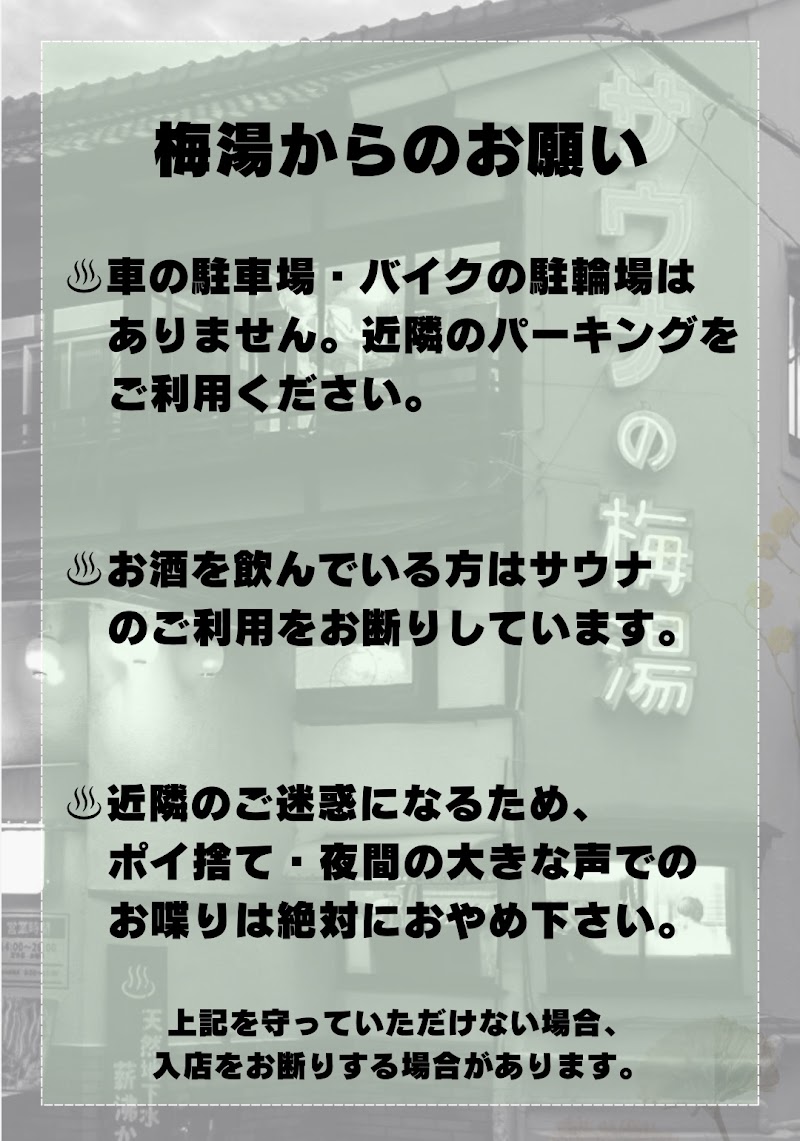
Ume-yu sits in Shimogyo Ward, making it one of the most conveniently located sento for visitors staying near Kyoto Station. Its 4.4-star rating from 1,827 reviews — the highest review count on this list — signals consistent quality and a steady flow of guests who feel comfortable enough to return and recommend it.
Ume-yu is a modern sento, which typically means well-maintained facilities, multiple bath types (jet baths, electric baths, cold plunge), and staff accustomed to international visitors. Modern sento tend to approach tattoo policies more pragmatically than older resort onsen. Small tattoos covered with waterproof cover-up stickers (shiiru シール) are sometimes permitted; the general rule of thumb is that stickers work for tattoos no larger than roughly a palm-size area. Larger or full-sleeve tattoos are a different conversation — and always an honest one to have at the door rather than mid-session.
Goko-yu — Shimogyo Ward (Central Kyoto)
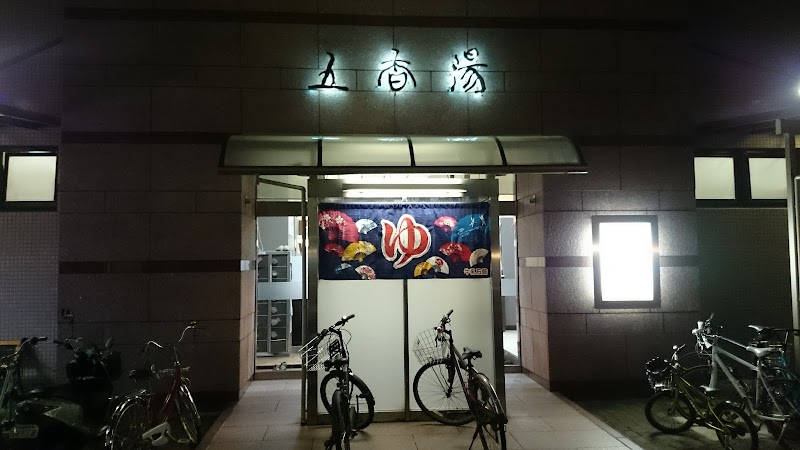
Also in Shimogyo Ward, Goko-yu carries a 4.4-star rating from 1,303 reviews and is well-regarded among Kyoto sento regulars. Its central location makes it practical for anyone exploring the Gion or Kawaramachi areas.
What makes Goko-yu worth flagging here is its reputation as a well-run neighbourhood sento with a welcoming atmosphere — the kind of place where the owner or counter staff will give you a straight answer about the tattoo situation rather than a dismissive refusal. When you call or visit ahead, the phrase "kashikiri buro wa arimasuka?" (貸切風呂はありますか?) — "Do you have a private bath?" — is always worth asking. Not all sento offer private bathing, but even knowing the answer early saves an awkward situation later.
Kurama Hot Spring — Sakyo Ward (Kurama Village)
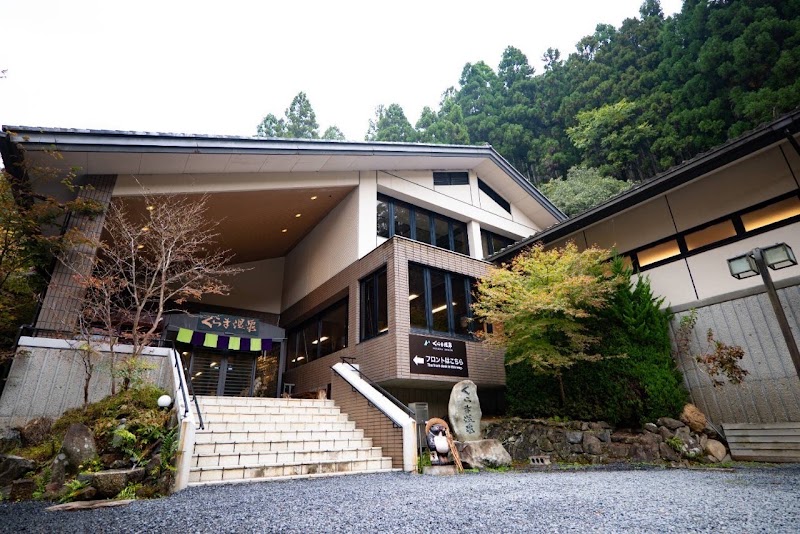
Kurama Hot Spring is the only true onsen on this list — natural hot spring water, mountain setting, about 45 minutes north of central Kyoto by Eizan Railway. With a 4.3-star rating from 1,675 reviews, it's a genuinely popular day-trip destination and one of the more accessible hot spring experiences from the city.
Natural onsen facilities tend to enforce stricter tattoo policies than urban sento, and Kurama is no exception to that general pattern. However, day-trip onsen aimed at tourism often have private bath (kashikiri onsen 貸切温泉) options available by reservation, which is the most reliable workaround for heavily tattooed visitors at any traditional onsen. The experience of soaking in actual sulfurous hot spring water in a cedar-scented mountain bath is meaningfully different from an urban sento — if you can arrange a private booking, this is worth the train ride. Verify current availability and booking requirements directly before planning your trip.
Thoron Onsen Inari — Nakagyo Ward (Central Kyoto)
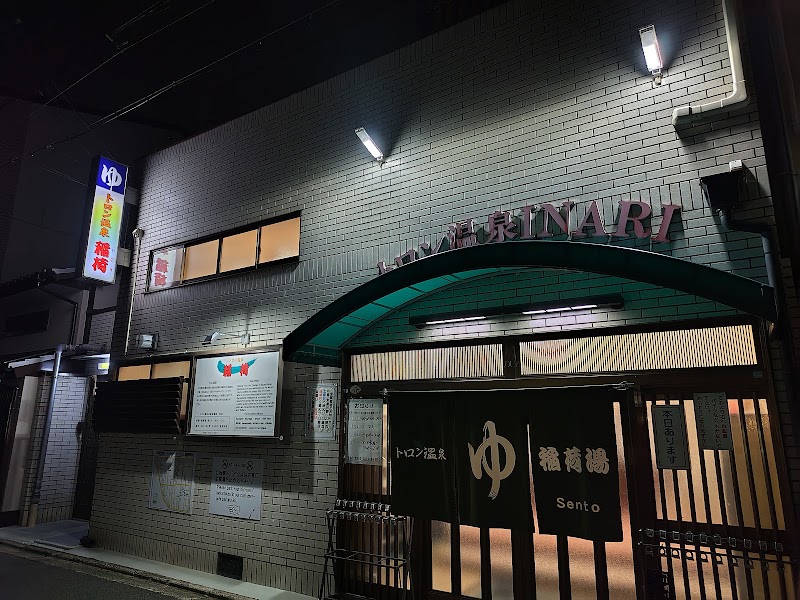
Thoron Onsen Inari in Nakagyo Ward is the smallest-reviewed venue here at 415 reviews, but its 4.4-star average suggests strong satisfaction among those who have visited. The name references thoron (radon-adjacent mineral water), which is a selling point for bathers interested in therapeutic mineral content.
Smaller, newer onsen facilities in central urban areas have generally been more open to updating their policies as attitudes shift — particularly as international tourism has become a significant part of their customer base. This makes Thoron Onsen Inari worth a direct inquiry, especially if you're already in Nakagyo for sightseeing. As always, lead with a polite question rather than assuming access.
How to Verify Before You Go
Tattoo policies are not static. A venue that admitted tattooed guests last month may have had a complaint and tightened its rules; another may have quietly dropped its ban. Here is how to check reliably:
Call or message ahead. Use the phrase: "Irezumi (tattoo) ga aru no desu ga, nyūyoku wa dekimasuka?" This signals respect and gives staff a chance to answer honestly rather than awkwardly turning you away at the entrance.
Check recent Google reviews. Filter for reviews from the past three months and search for the words "tattoo" or "irezumi" in the review text. Travellers with ink frequently mention their experience explicitly.
Ask about cover stickers. If your tattoo is small and you're willing to cover it, ask: "Shiiru de kakuseba daijōbu desuka?" (シールで隠せば大丈夫ですか?) Waterproof medical-grade stickers are sold at most Japanese pharmacies (drugstores / yakkyoku 薬局).
Book private baths directly. For any venue, kashikiri (貸切) private bathing is the cleanest solution — you pay for exclusive use of a bath for a set time. Availability varies; always reserve in advance.
Practical Tips for Tattooed Bathers in Kyoto
Kyoto's sento culture is genuinely worth engaging with even if you have to work around restrictions. A few final points:
Attitudes are shifting. Many urban sento owners — particularly those who have seen their regular customer base age and want to attract younger and international visitors — are quietly relaxing blanket bans. The conversation is more open than it was five years ago.
Smaller tattoos face fewer barriers. A discreet wrist tattoo covered with a sticker is a genuinely different situation from full-sleeve work, and treating them the same does both you and the venue a disservice.
Respect goes both ways. The historical reason for tattoo restrictions — yakuza associations — is real cultural context, not arbitrary xenophobia. Approaching each venue with patience and a polite question rather than entitlement will get you much further, and often a yes.