Tattoo-Friendly Onsen Near Lake Biwa: Best Picks
By Ikumi H.
Independent guide, based in Japan. Every facility verified via Google Places. How we verify →
Last updated: 2026-10-01 · 5 min read
Getting into an onsen with tattoos in Japan is genuinely complicated, and the Lake Biwa region is no exception. Most traditional bathhouses and ryokan in Shiga Prefecture still post irezumi kinshi (入れ墨禁止 — tattoos prohibited) signs at the entrance. The restriction traces back to tattooed gambling syndicates (yakuza) who used bathhouses as gathering spots through much of the 20th century, and the stigma has proven slow to dissolve even as tattoo culture has become mainstream globally.
That said, the corridor running from Kyoto's Ogoto Onsen district down to the Lake Biwa shoreline has more flexible options than you might expect — private baths (kashikiri buro, 貸切風呂), cover-up-tolerant facilities, and a handful of venues where the atmosphere has genuinely shifted. Below are five verified, high-review venues worth investigating for your trip. Always confirm current tattoo policy directly before booking — policies change, and what was accepted last season may not be today.
Biwako Hanakaido — Ogoto, Otsu, Shiga
Google rating: 4.4 ★ (987 reviews) View on Google Maps
Situated in Ogoto, one of the oldest onsen towns on the western shore of Lake Biwa, Biwako Hanakaido sits right at the heart of the area you're searching for. Ogoto Onsen (Ogoto Onsen, 雄琴温泉) is a full resort district, which means facilities here tend to be larger, more commercially experienced with international visitors, and more likely to offer kashikiri private bath options. Ask specifically: "Kashikiri buro wa arimasu ka? Irezumi ga arimasu." (貸切風呂はありますか?入れ墨があります。) — "Do you have private baths? I have a tattoo." Verify current entry conditions and private bath availability directly via Google Maps or their booking page before arrival.
🏨 Find stays near these spots →
Ogoto Onsen Biwako Ryokusuitei — Ogoto, Otsu, Shiga
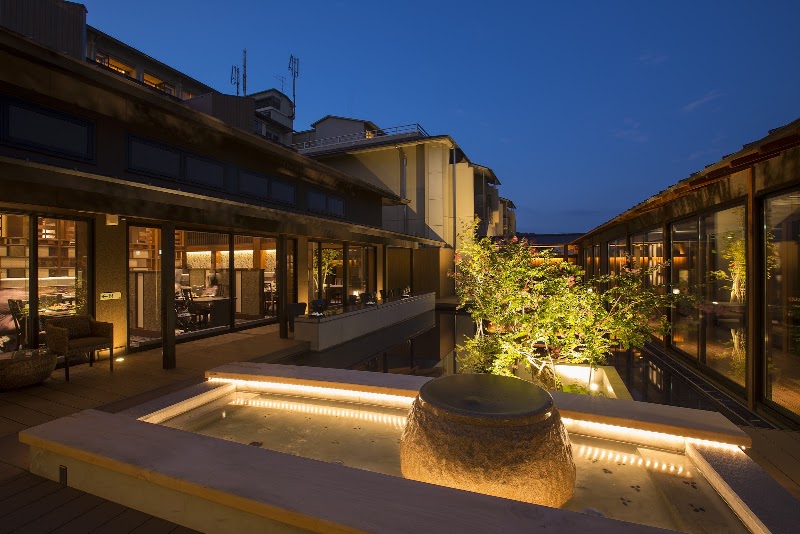
Google rating: 4.4 ★ (1,589 reviews) View on Google Maps
With nearly 1,600 reviews, Ryokusuitei is one of the most talked-about properties in the Ogoto area — a strong signal that staff deal regularly with diverse guests and their questions. Higher-reviewed, larger resort-style facilities in Ogoto have historically been more likely to accommodate tattooed guests through private bathing arrangements than smaller, neighborhood-style sento. When contacting them, ask whether cover-up skin-tone stickers (shiiru, シール) are permitted in communal baths for smaller tattoos, and whether kashikiri options exist for larger pieces. Confirm policy by phone or via their official website; don't rely solely on third-party reviews since policies evolve.
Kurama Hot Spring — Sakyo Ward, Kyoto
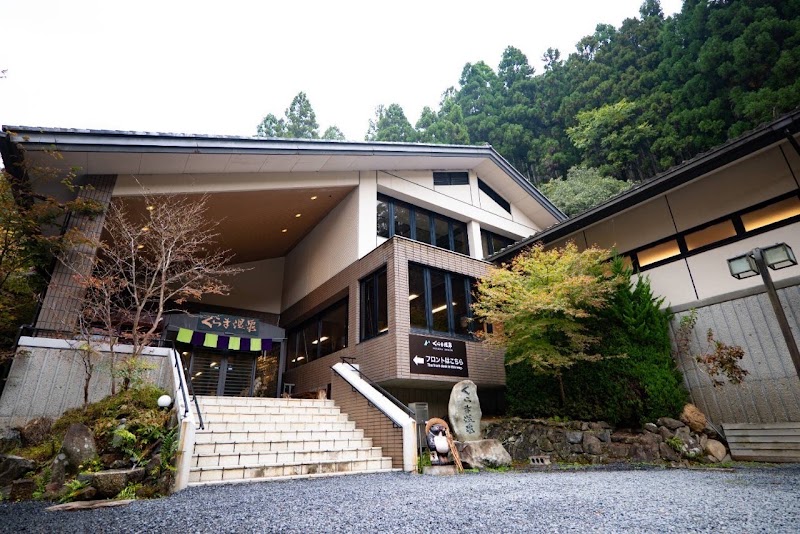
Google rating: 4.3 ★ (1,675 reviews) View on Google Maps
Technically in Kyoto's Sakyo Ward rather than Shiga, Kurama Hot Spring sits in the forested mountains north of the city — about 45 minutes from central Kyoto and not far from the Lake Biwa corridor if you're planning a multi-stop itinerary. The natural outdoor bath (roten buro, 露天風呂) here is genuinely striking, surrounded by cedar forest. Kurama draws a nature-seeking international crowd, and with 1,675 reviews it's clearly experienced with foreign visitors. However, it remains a traditional, somewhat conservative facility. The best approach: contact them ahead of time with a direct question about tattoo policy. Don't show up and hope for the best at a mountain spring — there's nowhere else to bathe nearby if you're turned away.
Funaoka Onsen — Kita Ward, Kyoto
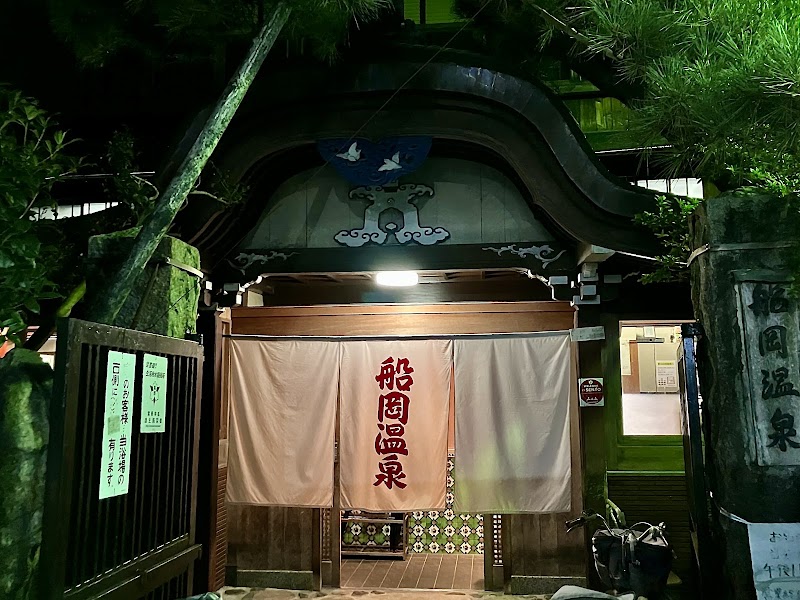
Google rating: 4.3 ★ (1,481 reviews) View on Google Maps
Funaoka Onsen is a historic Kyoto sento (銭湯 — public bathhouse, as opposed to a hot spring resort) in the Murasakino neighbourhood of Kita Ward. It's famous for its ornate interior architecture, including carved wooden panels depicting the Battle of Nagashino. As a traditional neighbourhood sento, it is considerably smaller than an Ogoto resort facility and caters primarily to local regulars. Tattoo policy at sento tends to be stricter and less negotiable than at resort-style onsen — the customer base is local families and elderly neighbours, and management tends to be protective of that environment. Worth checking for small tattoos that can be fully covered with a shiiru sticker, but be realistic: this is not a venue likely to accommodate a full sleeve or back piece in communal bathing. Verify directly before visiting.
Goko-yu — Shimogyo Ward, Kyoto
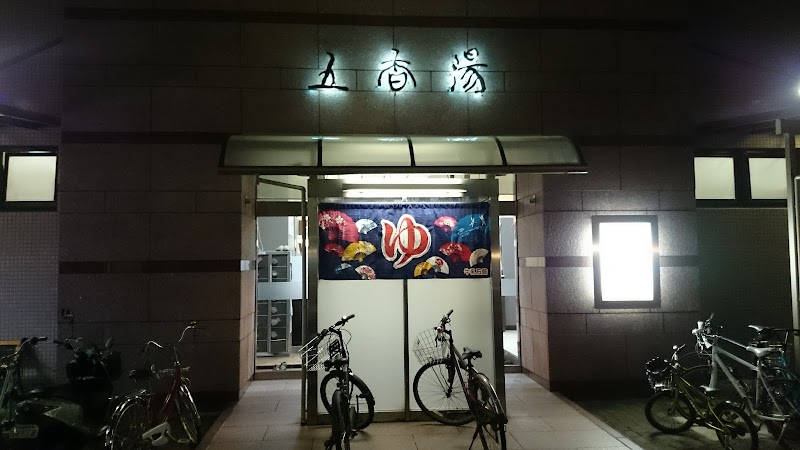
Google rating: 4.4 ★ (1,303 reviews) View on Google Maps
Another Kyoto sento, Goko-yu in Shimogyo Ward has earned a strong following and strong reviews for its clean facilities and welcoming atmosphere toward tourists. Like Funaoka, this is a neighbourhood bathhouse rather than a resort, so the same realistic expectations apply regarding tattoo size. Where Goko-yu may have an edge is in its evident comfort with international visitors — a venue accumulating 1,300+ reviews in a local sento context is clearly engaging with a wide guest base. For small tattoos, ask: "Chiisai irezumi ni shiiru wo tsukatte hairu koto wa dekimasu ka?" (小さい入れ墨にシールを付けて入ることはできますか?) — "Can I enter with a small tattoo covered by a sticker?" Always ask before you undress.
How to Verify Before You Go
Never assume a venue is tattoo-friendly based on a review, a travel blog (including this one), or a social media post. Policies change without announcement. Here is the verification process that actually works:
Step 1 — Call or email directly. Use this phrase by email or at the door: "Irezumi ga aru no desu ga, nyūyoku wa kanō desu ka?" (入れ墨があるのですが、入浴は可能ですか?) — "I have a tattoo — is bathing possible?"
Step 2 — Ask about kashikiri specifically. Even if communal baths are prohibited for tattooed guests, many facilities offer private family baths (kashikiri or kazoku buro) that can be booked for an additional fee. This is the single most reliable workaround across Japan.
Step 3 — Check the Google Maps listing on the day. Owner responses to recent reviews sometimes mention tattoo policy. Look for reviews from the past three months, not three years ago.
Step 4 — Verify sticker rules and size limits. Some venues permit skin-tone adhesive covers for tattoos smaller than a standard playing card. Anything larger typically requires a private bath regardless of venue type.
Closing Tip
The Ogoto Onsen district (雄琴温泉) in Otsu gives you the best realistic odds in the Lake Biwa area — resort facilities there have more infrastructure and incentive to accommodate paying international guests than traditional Kyoto sento. If you're building an itinerary, anchor your bathing day in Ogoto and treat the Kyoto sento on this list as secondary options pending confirmation of your specific tattoo situation. Always carry a business card or note with your tattoo details written in Japanese — it makes the conversation at the front desk easier for everyone.