Tattoo-Friendly Onsen at Kawaguchiko: Day Use Guide
By Ikumi H.
Independent guide, based in Japan. Every facility verified via Google Places. How we verify →
Last updated: 2026-10-01 · 5 min read
Finding tattoo-friendly onsen in the Kawaguchiko and Fuji Five Lakes area is genuinely trickier than it sounds. Most facilities still display the classic irezumi kinshi (入墨禁止 — tattoo prohibition) sign, a policy rooted in the historical association between tattoos and organized crime. That said, the region has enough options — including facilities with private baths, cover-sticker policies, and outright welcoming attitudes — that a tattooed visitor willing to do a little homework can absolutely enjoy a proper soak with a view of Mount Fuji.
The five venues below are all confirmed operational with substantial real-world review counts as of 2026. For each one, tattoo policy, private bath availability, and admission details can shift seasonally or with new management — so the verification steps at the end of this article are just as important as the venue profiles themselves.
Rakuyu — Highest-Rated Local Pick
Located in Azagawa in Fujikawaguchiko, Rakuyu earns a , which for a local bathhouse is remarkably strong social proof. Smaller community-style sento and onsen facilities like this one sometimes take a more pragmatic approach to tattoo policy than large resort chains, and some reviewers in the Kawaguchiko area have noted flexibility with small, coverable tattoos using waterproof irezumi shiiru (入墨シール — cover stickers).
Before you go, call ahead or check Google Maps for recent reviews that mention tattoos explicitly. Ask: "Irezumi ga arimasu ga, nyūyoku dekimasu ka?" (入墨がありますが、入浴できますか? — "I have a tattoo; am I able to bathe?"). If sticker coverage is offered, ask about size limits — most facilities cap coverable areas at roughly a business card to postcard size per sticker.
🏨 Find stays near these spots →
HOTEL MYSTAYS Fuji Onsen Resort — Best Bet for Kashikiri
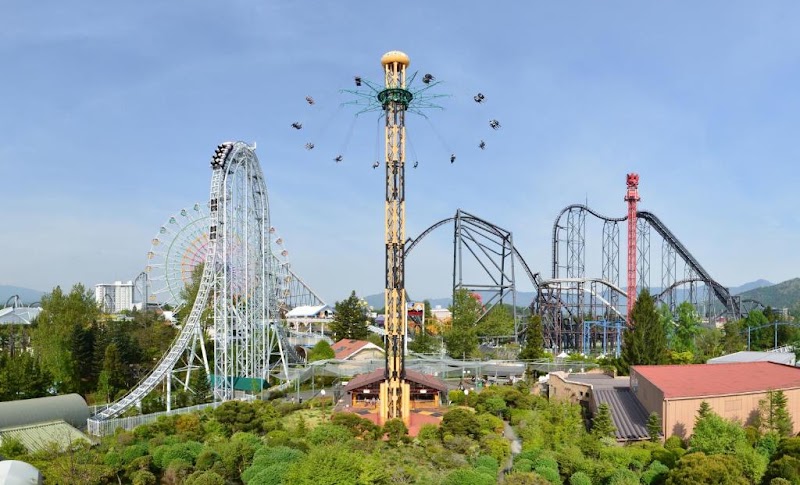
Situated in Arakura, Fujiyoshida, this resort carries a — the kind of volume that gives you a reliable picture of the experience. Hotel-affiliated onsen in Japan frequently offer kashikiri buro (貸切風呂 — private rental baths), which are your cleanest solution if you have large or multiple tattoos that can't realistically be covered with stickers.
Kashikiri baths are typically booked by the hour and priced accordingly; they allow a small group or couple to bathe in total privacy, completely bypassing the communal tattoo policy. Ask at reception: "Kashikiri no ofuro wa arimasu ka?" (貸切のお風呂はありますか? — "Do you have a private rental bath?"). Even if the main public baths enforce a prohibition, the kashikiri option means you rarely have to walk away without a soak. Confirm availability and whether day-use guests (as opposed to hotel guests) can reserve one.
Yoshinoike Onsen — Local Neighborhood Bath
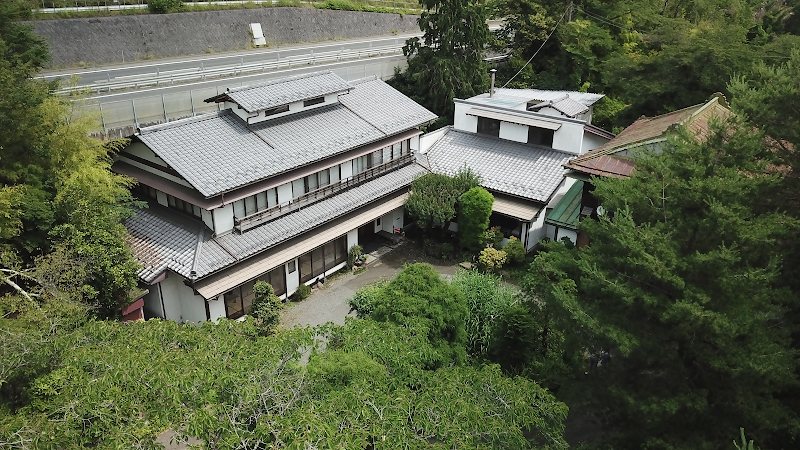
Located in Fujimi, Fujiyoshida, Yoshinoike Onsen holds a . This is the kind of neighborhood onsen — smaller scale, regulars-oriented — where policies can go either way for tattoo holders. Some local baths are surprisingly lenient with foreign visitors carrying small tattoos, especially if you approach politely and during quieter hours. Others are strictly traditional.
The practical move here is to contact them in advance rather than showing up and hoping for the best. A quiet weekday morning visit with a polite inquiry at the door costs you nothing and avoids an awkward situation. If the communal baths are off-limits, this type of facility may or may not have a private option, so it's worth asking specifically.
Fuji-sensui — High Volume, Worth Checking
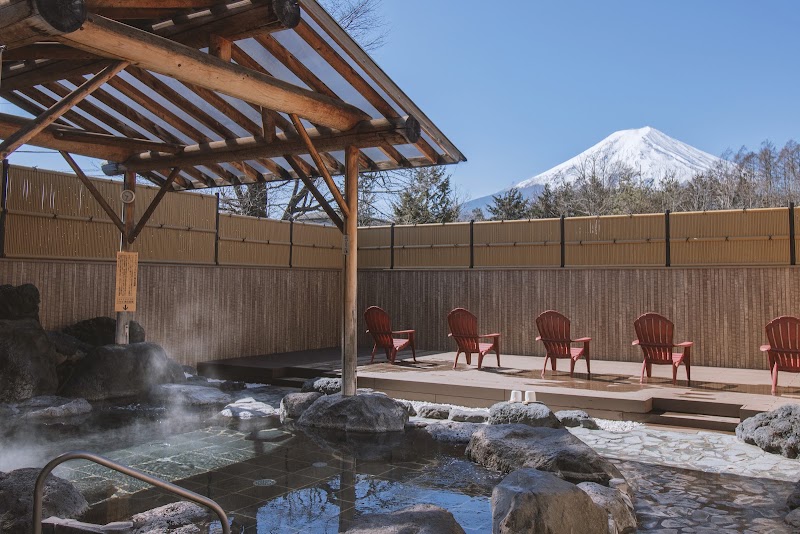
In Kamiyoshida, Fujiyoshida, Fuji-sensui has a , suggesting a busy facility that sees a wide range of visitors. High-traffic onsen complexes sometimes develop more explicit tattoo policies — either clearly welcoming covered tattoos, offering private baths as a paid upsell, or being equally explicit about prohibition. The volume of recent reviews here makes it one of the easier facilities to research: search Google Maps reviews filtered to recent entries and look for mentions of "tattoo" or "irezumi" to get a current read.
Day-use availability at larger complexes like this is generally solid, but again, verify opening hours and pricing directly before making it your only plan for the day.
Hottarakashi Onsen — Spectacular Views, Verify Policy
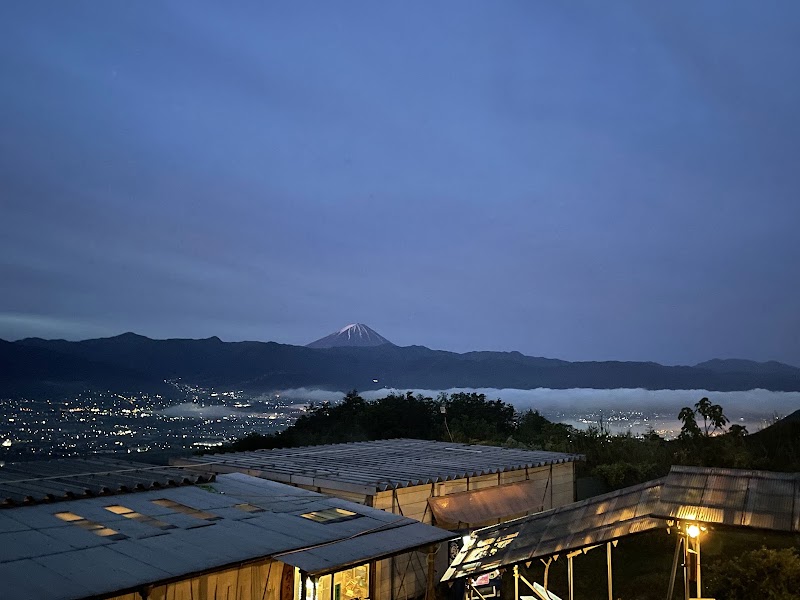
Technically located in Yamanashi city rather than Kawaguchiko itself, Hottarakashi Onsen is included here because it's a popular day-trip pairing for anyone in the Fuji Five Lakes area. With a , it's one of the most-reviewed outdoor onsen facilities in the entire Chubu region, famous for its panoramic views over the Kofu Basin.
That fame cuts both ways for tattooed visitors: popular outdoor rotenburo (露天風呂 — open-air baths) are fully visible, making tattoo concealment difficult and enforcement more likely. Check their current policy directly — some highly reviewed facilities have quietly updated their stance in recent years to accommodate international tourism growth, while others have doubled down. It's a longer drive from the lake itself, so confirm before committing the travel time.
How to Verify Before You Go
Tattoo policies in Japan change more often than most facilities update their websites. Use these steps before every visit:
Check Google Maps reviews with keywords. Search the venue name and scroll recent reviews for the words "tattoo," "irezumi," or "sticker." Visitors frequently note whether they were turned away or welcomed.
Call or email ahead. Even without fluent Japanese, a simple inquiry works. The key phrase: "Irezumi ga arimasu. Nyūyoku wa kanō desu ka?" (入墨があります。入浴は可能ですか?). Most front desks in tourist-heavy areas have staff comfortable enough with English to respond.
Ask specifically about kashikiri. Even facilities that prohibit tattoos in public baths often have private baths available for an additional fee. This is your fallback for any venue on this list.
Look for the シール可 signal. Some facilities post "shiiru de no nyūyoku kanō" (シールでの入浴可能 — bathing with sticker coverage permitted) at the entrance or on their Japanese-language website. Running the venue's Japanese site through a translation tool takes two minutes.
Practical Tips for the Day
Bring your own waterproof cover stickers if you have smaller tattoos — they're available at most large pharmacies (yakkyoku — 薬局) and some convenience stores in Japan. Silicone-based waterproof bandages work well. For larger pieces, plan around kashikiri from the start rather than hoping the communal bath works out. Arriving at opening time on a weekday keeps you out of peak crowds and puts staff in a calmer mindset for policy conversations. And always treat the staff with patience — the irezumi kinshi system is cultural and institutional, not personal.