Tattoo-Friendly Onsen in Japan: Verified Guide (2026)
By Ikumi H.
Independent guide, based in Japan. Every facility verified via Google Places. How we verify →
Last updated: 2026-10-01 · 5 min read
Finding tattoo-friendly bathing spots in Japan takes more than a Reddit thread. Policies change, staff have discretion, and "tattoo OK" listings are often outdated by the time you arrive. This guide cuts through the noise with verified venues, practical Japanese phrases, and a framework for doing your own due diligence before showing up at the door.
Why Tattoo Restrictions Exist (And Why They're Loosening)
Japanese onsen and sento restrictions trace back to yakuza associations — tattoos historically signaled organized crime membership, and bathhouse owners wanted to protect other guests' comfort. That stigma persists in older, traditional establishments, particularly in onsen towns like Atami, Nagano, and Niseko where ryokan culture is deeply conservative.
The shift is real but uneven. Urban sento (public bathhouses) in Tokyo and Osaka have become notably more flexible, especially those targeting younger or international clientele. Natural onsen facilities in resort areas like Hakone, Hakuba, and Niseko vary wildly — sometimes even between properties on the same street. Never assume; always verify directly.
🏨 Find stays near these spots →
Tenzan Onsen — Hakone, Kanagawa
Tenzan Onsen sits in Yumotochaya, Hakone, and is one of the most discussed tattoo-tolerant onsen facilities in the greater Tokyo day-trip circuit. With a , it carries serious social proof. The complex features multiple indoor and outdoor baths (rotenburo), which is a big draw for visitors wanting a natural onsen experience surrounded by forest.
Tattooed visitors have reported positive experiences here, but Tenzan's policy has nuances — coverage requirements and specific bath access can vary. Call ahead or check their current signage on arrival. Ask: "Irezumi ga aru no desu ga, nyūyoku dekimasu ka?" ("I have a tattoo — is bathing permitted?")
This is not a mixed-gender (konyoku) facility. If you're hunting for tattoo-friendly co-ed onsen in Japan, Tenzan is not that, but it remains one of the most accessible natural onsen options near Tokyo for tattooed visitors. View on Google Maps
Yamato-no-Yu Public Bath — Narita, Chiba
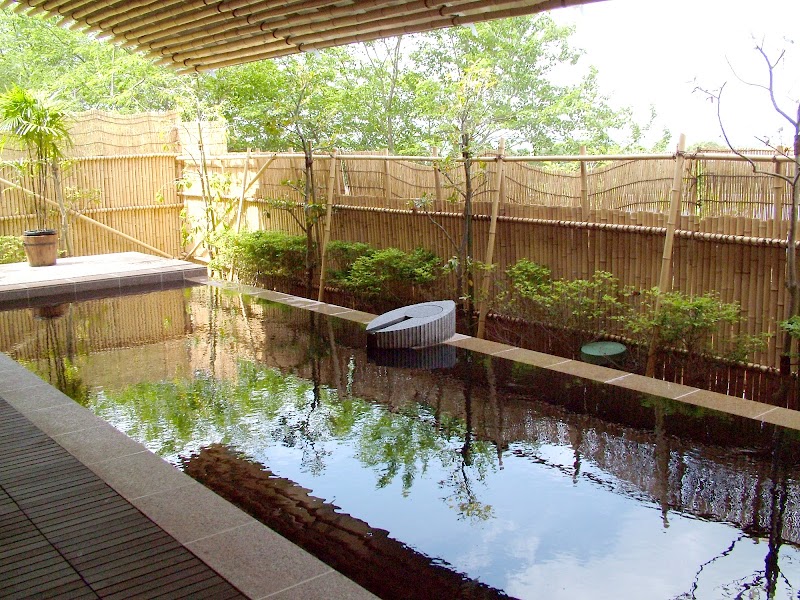
Located in Ōdake, Narita, this is a practical option for travelers arriving or departing through Narita International Airport. With a , Yamato-no-Yu functions as a large-format super sento — think multiple bath types, relaxation areas, and longer operating hours than a neighborhood bathhouse.
Super sento facilities like this tend to have more standardized tattoo policies, often allowing small tattoos or requiring cover-up stickers (available at reception). Tattoo size limits typically hover around the size of a palm — anything larger may still be restricted. Confirm the current policy on Google Maps or by phone before making it part of your transit day plan. This spot is particularly useful for the tattooed traveler with a long layover who wants to decompress before a flight. View on Google Maps
Mannen-yu — Okubo, Shinjuku, Tokyo
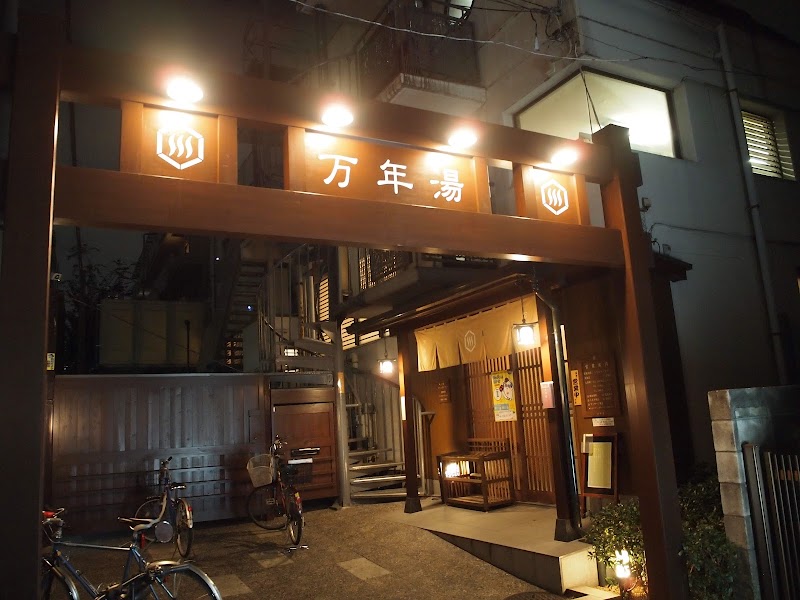
Mannen-yu is a neighborhood sento in Okubo, Shinjuku — the heart of Tokyo's multicultural district. A is strong for a local bathhouse. Sento in this area have organically become more tattoo-tolerant as the local community has shifted, and Mannen-yu is frequently mentioned in tattoo-positive bathing discussions for Tokyo.
The experience here is authentic urban sento: tiled walls, a no-frills layout, and the social rhythm of a working-class neighborhood bathhouse. Don't expect an onsen hotel atmosphere. Do expect genuine local bathing culture at an accessible price point. Small tattoos may be fine; larger pieces may require a cover sticker or a private booking if available. Verify current policy via Google Maps reviews or a quick phone inquiry. View on Google Maps
Tōhōyu — Shinjuku, Tokyo
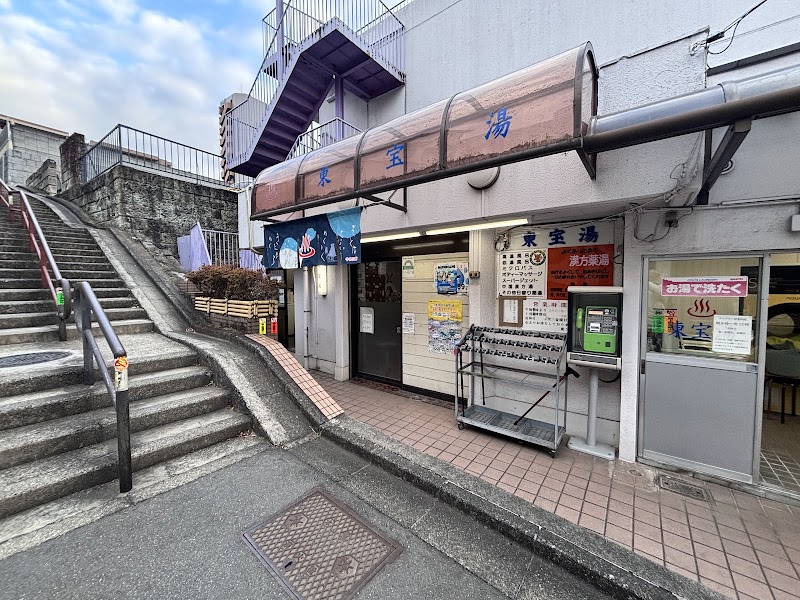
Tōhōyu is a smaller sento in Shinjuku proper, rated — fewer reviews than the others, which means the tattoo policy picture is less clear from crowdsourced data. Smaller facilities sometimes fly under the radar precisely because staff exercise more personal discretion.
This can cut both ways: a friendly manager may wave you through; a different shift may not. If you're in central Shinjuku and want to walk to a local bathhouse, Tōhōyu is geographically convenient. Treat it as a walk-in-and-ask situation rather than a guaranteed tattoo-friendly venue. Bring your cover stickers as backup. View on Google Maps
Hasunuma Onsen — Nishikamata, Ota City, Tokyo
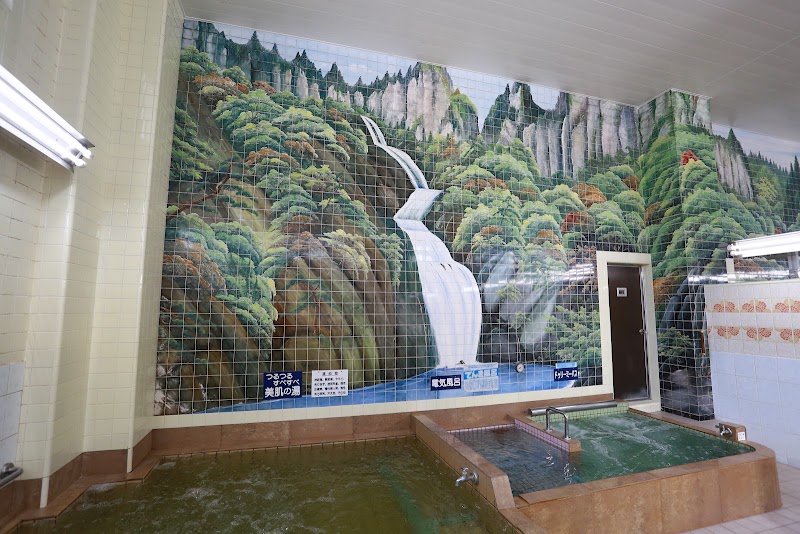
Hasunuma Onsen in Nishikamata, Ota City pulls a — solid for a residential-area onsen facility in southwest Tokyo. It sits in a quieter part of the city compared to Shinjuku, drawing a local crowd. The "onsen" designation here means it uses naturally sourced hot spring water piped to an urban facility, a common and perfectly legitimate setup across Tokyo.
Tattooed visitors have noted this facility is among the more relaxed in the Ota Ward area. Still, verify current policy before visiting, especially if your tattoos are large or highly visible. This is a practical pick for anyone staying near Kamata or Kawasaki. View on Google Maps
How to Verify Before You Go
Tattoo policies are not static. Here's a reliable verification process:
Check recent Google Maps reviews first. Filter by "most recent" and search within the reviews for "tattoo" or "irezumi" (刺青). Travelers routinely mention whether they were admitted or turned away.
Call the venue directly. The key phrase: "Irezumi ga aru no desu ga, nyūyoku wa kanō desu ka?" Most staff will give you a straight answer. If your tattoo is small, mention it: "Chiisai irezumi desu."
Ask about cover stickers (shīru/シール). Many facilities sell or provide waterproof cover-up stickers at reception for tattoos under a certain size (typically palm-sized). Bring your own as backup — large pharmacies (like Matsumoto Kiyoshi) sell medical-grade waterproof patches.
Book a kashikiri-buro (貸切風呂) or private bath. This is the most reliable workaround for heavily tattooed visitors. Onsen hotels in Hakone, Atami, Nagano, and Niseko increasingly offer private family baths that can be reserved by the hour. No other guests means no policy conflict. Search: "kashikiri onsen tattoo OK" or ask your hotel directly.
Closing Tips for Tattooed Onsen Visitors
If you're exploring onsen cities like Atami, the resort slopes of Hakuba or Niseko, or the mountain towns of Nagano, the private bath strategy is your best friend. Many onsen hotels — even traditional ryokan — are willing to accommodate tattooed guests in private settings even when their shared baths have restrictions.
For a Japan tattoo-friendly onsen map approach, use Google Maps with the search term "タトゥーOK 温泉" (tattoo OK onsen) in your target region. Cross-reference with recent traveler reviews on TripAdvisor and Reddit's r/JapanTravel for real-time reports. Policies in 2025 are genuinely more open than five years ago, but the only way to be sure is to ask before you strip.