Tattoo Friendly Onsen in Gunma: 5 Verified Options
By Ikumi H.
Independent guide, based in Japan. Every facility verified via Google Places. How we verify →
Last updated: 2026-10-01 · 5 min read
Gunma prefecture sits at the heart of Japan's onsen culture — Kusatsu, Ikaho, Shima, Minakami, and Takasaki all draw millions of bathers every year. But if you're tattooed, walking into any public bath without doing your homework first is a gamble you don't want to lose, especially after a two-hour bus ride from Tokyo. The tattoo restriction tradition runs deep here, rooted in decades of associating body ink with organized crime (yakuza). That association is fading, but it hasn't disappeared — and Gunma's onsen towns are traditional enough that blanket "no tattoo" policies remain common at large public facilities.
The good news: with the right approach — private baths, cover-up stickers, or venues with explicit tattoo tolerance — you can absolutely soak in Gunma. Here's what we know about five verified operational venues, and how to confirm their current policy before you travel.
Ōtaki no Yu — Kusatsu
Kusatsu Onsen is Japan's most famous hot spring resort, and Ōtaki no Yu is one of its signature public bathhouses, pulling an impressive 4.3 stars from over 5,100 Google reviews. The water here is intensely acidic and genuinely therapeutic — this is the real deal, not a hotel add-on.
Being a large, publicly-operated kōshū yokujō (public bathhouse) in a conservative onsen town, Ōtaki no Yu likely maintains a standard no-visible-tattoo policy for its shared baths. However, Kusatsu has been actively courting international visitors, and some facilities in the area have begun permitting small tattoos covered with shiiru (adhesive waterproof stickers). The key question to ask when you call or email ahead: "Irezumi ga aru baai, hairu koto ga dekimasu ka?" (入れ墨がある場合、入ることができますか?) — "If I have a tattoo, am I able to enter?"
Also ask whether a kashikiri buro (private reserved bath) is available. Many Kusatsu facilities offer them, which sidesteps the issue entirely.
🏨 Find stays near these spots →
Takaragawa Onsen — Minakami
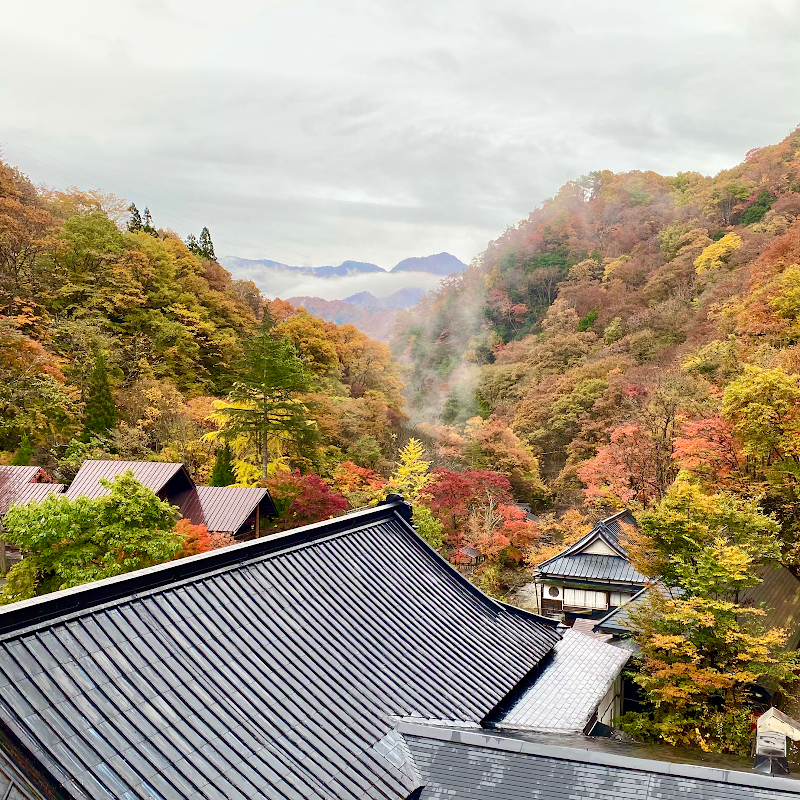
Takaragawa Onsen in Minakami's Fujiwara area is one of Japan's most photographed rotenburo (outdoor baths) — massive riverside pools set against cedar forest. It holds a 3.9 rating across 359 reviews, a smaller sample that reflects its more remote location rather than any quality issue.
Here's the significant detail for tattooed visitors: Takaragawa Onsen has historically been one of Japan's more internationally recognized facilities, and has at various points had a stated policy permitting tattoos in its outdoor baths. This policy can and does change, so verify directly before visiting. The remoteness of the location (it's a long drive or taxi from Minakami station) makes an unpleasant surprise at the gate especially costly. Contact the facility to confirm current rules, ask about kashikiri availability, and check whether mixed-gender (konyoku) outdoor bath access has any different requirements.
Kashiwaya Ryokan — Shima Onsen
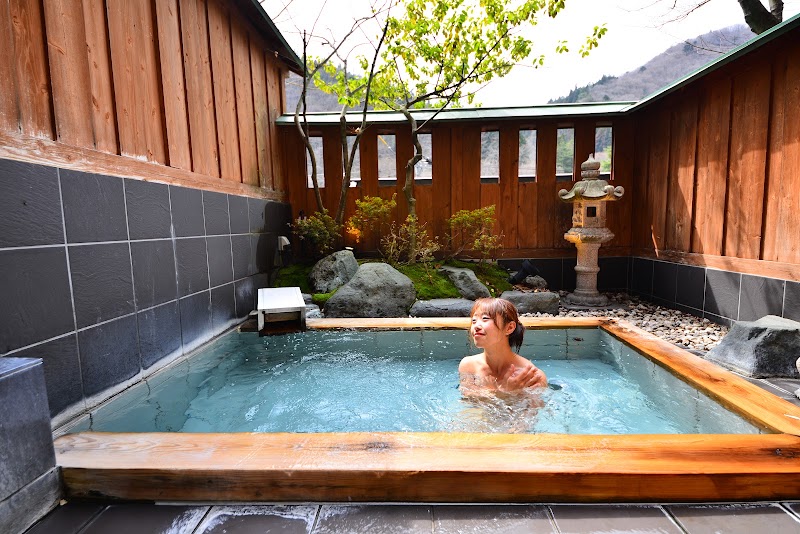
Shima Onsen is one of Gunma's quieter, more atmospheric hot spring villages, and Kashiwaya Ryokan sits right in the middle of it with an outstanding 4.6 rating from 504 reviews — the highest-rated venue in this roundup. Ryokan (traditional Japanese inn) stays are almost always the tattoo-friendliest option available, because your accommodation fee typically includes exclusive access to the in-house baths during designated hours, or even a private bath reserved for your room or group.
At a small, family-run ryokan like Kashiwaya, the staff interaction is personal, and policies tend to be applied with more human discretion than at large commercial facilities. When booking — ideally by email in English or through a bilingual booking platform — declare your tattoos upfront and ask whether the ofuro (bath) is available to you. Most ryokan at this level will accommodate guests who ask politely and in advance. Do not arrive and hope — ask before you confirm your reservation.
Ishidan no Yu — Ikaho
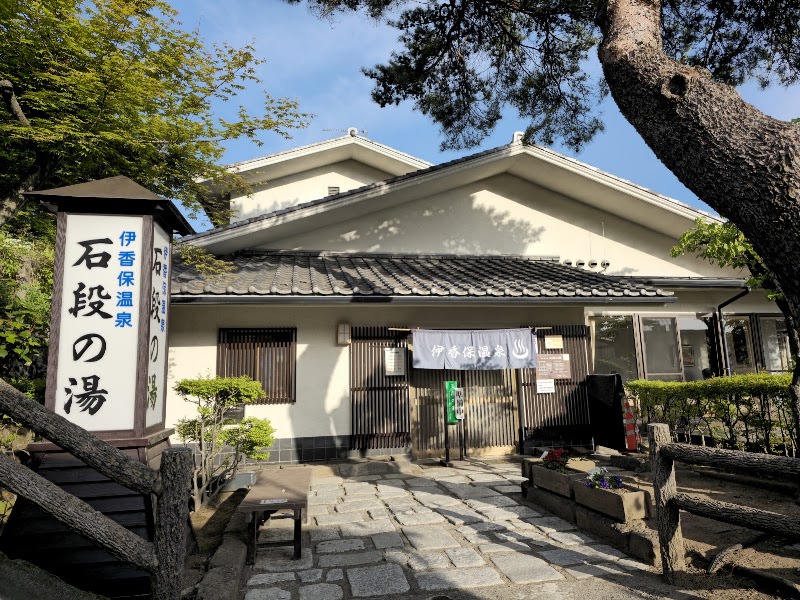
Ikaho Onsen is famous for its stone-stepped shopping street and two distinct spring types: the reddish iron-rich sekiyu water and the clearer shiromizuyu. Ishidan no Yu, rated 3.8 from 769 reviews and located right on the Ikaho stone steps, is a classic hikyaku buro (day-visitor bathhouse) in this traditional setting.
Public bathhouses on popular tourist strips like Ikaho tend to enforce tattoo restrictions more visibly, since they're managing high footfall from Japanese domestic visitors. Small tattoos covered with waterproof stickers may be tolerated — but confirm this in advance. Ask specifically: "Shiiru de kakusu koto ga dekiru chiisana irezumi wa daijōbu desu ka?" (シールで隠すことができる小さな入れ墨は大丈夫ですか?) — "Is a small tattoo that can be covered with a sticker okay?" Size and placement matter; a palm-sized piece on the upper arm reads very differently to the staff than a full sleeve.
Takasaki Kyogashima Natural Onsen Yutori — Takasaki
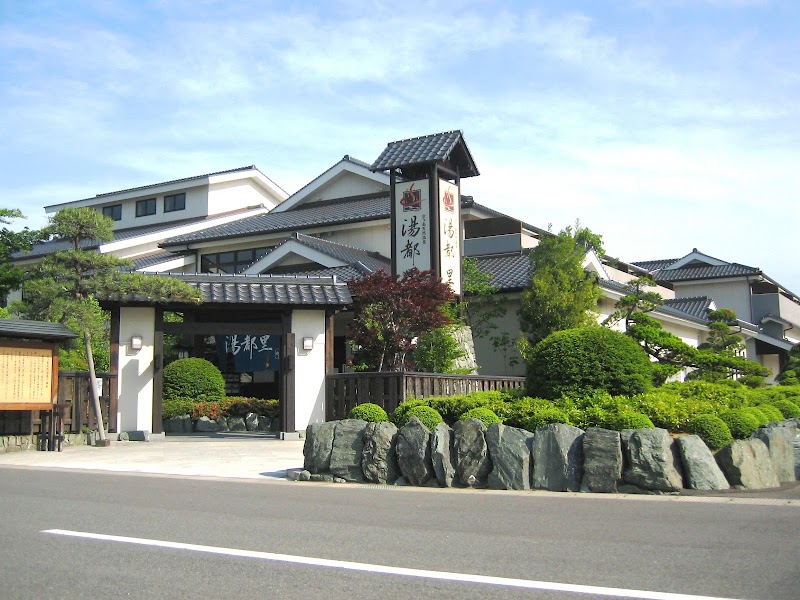
This large urban super sento in Takasaki city scores a solid 4.0 from 2,854 reviews — the second-largest review pool in this roundup and a reliable indicator of consistent quality. Super sento are modern spa complexes with multiple bath types, rest areas, and food service. They attract a diverse, urban crowd and are statistically more likely to have nuanced tattoo policies than rural traditional facilities.
That said, "tattoo friendly" is not guaranteed at any Japanese super sento without explicit confirmation. Call ahead and ask about their irezumi policy, sticker coverage rules, and whether kashikiri rooms are available. Many large urban facilities now offer private family bath rooms (kazoku buro) which you can book by the hour — a practical solution if the shared baths remain restricted.
How to Verify Before You Go
Policies change seasonally, with management turnover, and in response to guest feedback. Never assume. Here's the verification process that actually works:
Contact the venue directly. Email is ideal — it gives staff time to check with management and respond accurately. Use simple, polite English. Most Gunma tourist facilities now have basic English communication capacity or use translation tools.
Use a bilingual booking platform. Services like Jalan, Rakuten Travel, and some Airbnb-adjacent ryokan listings allow you to message hosts before booking. State your situation clearly: tattoo size, location on body, and whether you'd need private bath access.
Ask the right questions: Is a kashikiri (private bath) available? Is there an additional fee? Can small tattoos covered by waterproof stickers enter shared baths? What is the maximum sticker-covered size permitted?
Look for the signal phrase irezumi OK (入れ墨OK) or tattoo OK on venue websites and Google review photos — Japanese guests sometimes photograph posted rules.
Final Tips for Tattooed Onsen Visitors in Gunma
Always carry waterproof tattoo cover stickers (irezumi kakushi shiiru) — available on Amazon Japan and at some pharmacies. Even at lenient venues, having them ready shows respect and can tip a hesitant staff member toward yes. Enter the bath quietly, rinse thoroughly at the kakeyu (pre-bath shower station) before getting in, and follow all standard bathing etiquette — it signals you're a respectful guest, not an uncertain one. Gunma's waters are extraordinary. With a little preparation, they're absolutely within reach.