Tattoo-Friendly Onsen at Fuji Five Lakes: 5 Picks
By Ikumi H.
Independent guide, based in Japan. Every facility verified via Google Places. How we verify →
Last updated: 2026-10-01 · 5 min read
Finding tattoo-friendly onsen (入れ墨OK温泉) around the Fuji Five Lakes region is genuinely difficult. Most facilities still enforce blanket bans rooted in Japan's historical association between tattoos and yakuza organized crime. That stigma has softened in recent years — partly driven by inbound tourism — but enforcement remains inconsistent even at places that technically permit tattoos. Some allow small tattoos with cover stickers (irezumi coverシール), others offer private baths (kashikiri-buro, 貸切風呂), and a handful are genuinely open. None of this is reliably posted in English. The five venues below are confirmed operational with real review counts; use them as your starting list, then verify current tattoo policy before you show up.
Yoshinoike Onsen — Fujiyoshida
Located in the Fujimi area of Fujiyoshida city, Yoshinoike Onsen sits in a quiet residential pocket close to the northern base of Fuji. With a , it operates at a scale that suggests a local bathhouse rather than a tourist mega-facility — which can actually work in your favor. Smaller, community-oriented onsen sometimes apply rules more flexibly, especially when approached politely. If you visit, lead with: "Irezumi ga arimasu ga, hairemasu ka?" (入れ墨がありますが、入れますか? — "I have a tattoo; is it okay to enter?"). Have a cover sticker ready in case they require concealment for smaller pieces. View on Google Maps
🏨 Find stays near these spots →
Fuji-sensui — Kamiyoshida, Fujiyoshida
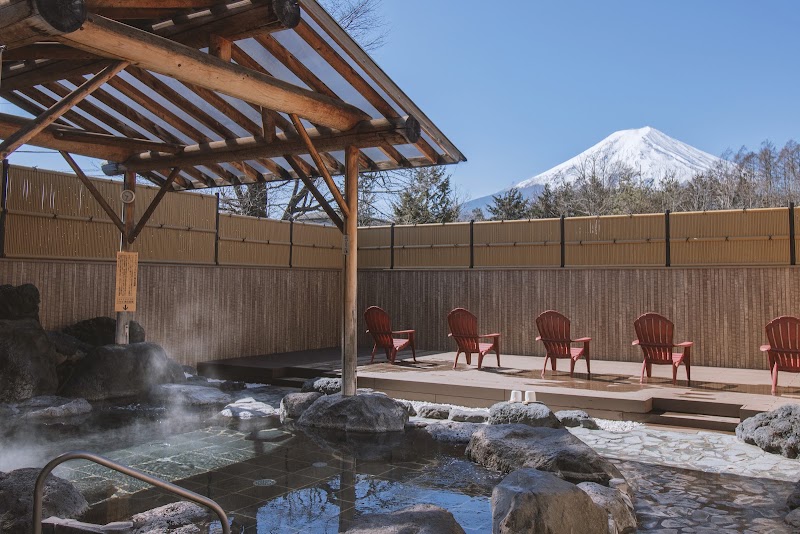
With , Fuji-sensui in the Kamiyoshida district of Fujiyoshida is clearly a popular, well-trafficked facility. High review volume often means the staff are experienced with international visitors and their questions. That said, popularity also correlates with stricter enforcement of house rules — busy public baths worry more about complaints from regular local customers. Check their current policy directly; if they prohibit tattoos in the communal baths, ask specifically about kashikiri (貸切) private bath availability. A private bath sidesteps the issue entirely and is increasingly common at mid-to-large onsen in this region. View on Google Maps
Hottarakashi Onsen — Yamanashi City
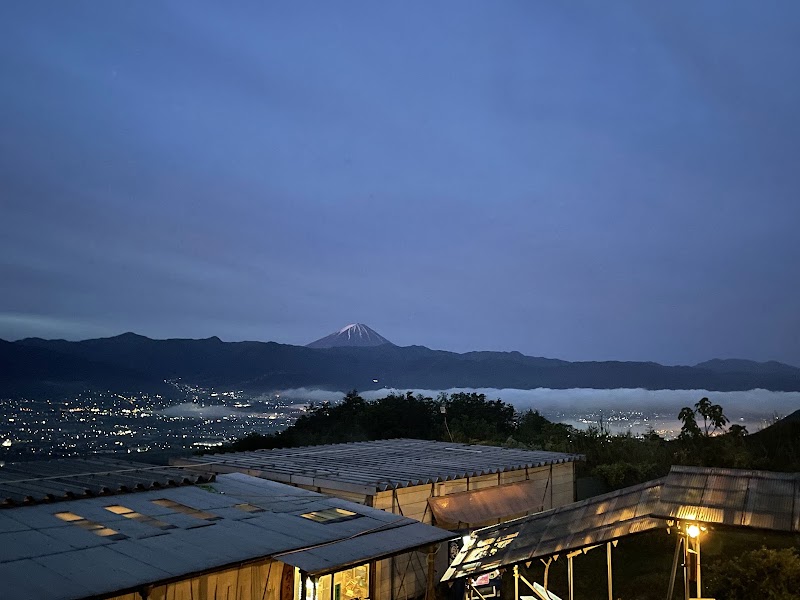
This is the standout on the list. makes Hottarakashi one of the most reviewed onsen in the entire Yamanashi Prefecture — and its fame is deserved. Perched on a hillside above Yamanashi City (roughly an hour's drive east of Lake Kawaguchi), it offers sweeping open-air views of Mount Fuji and the Kofu Basin from its rotenburo (露天風呂, outdoor bath). The scale and the internationalized visitor base mean that tattoo policy questions come up regularly here. Importantly, the review volume gives you a rich pool of recent visitor reports to mine — search recent English and Japanese reviews specifically mentioning irezumi (入れ墨) or tattoo to gauge current real-world experience before booking. Note that Yamanashi City is at the edge of what most travelers define as "Fuji Five Lakes" proper, so factor in travel time from your accommodation. View on Google Maps
Kazeno-yu — Fujinomiya, Shizuoka
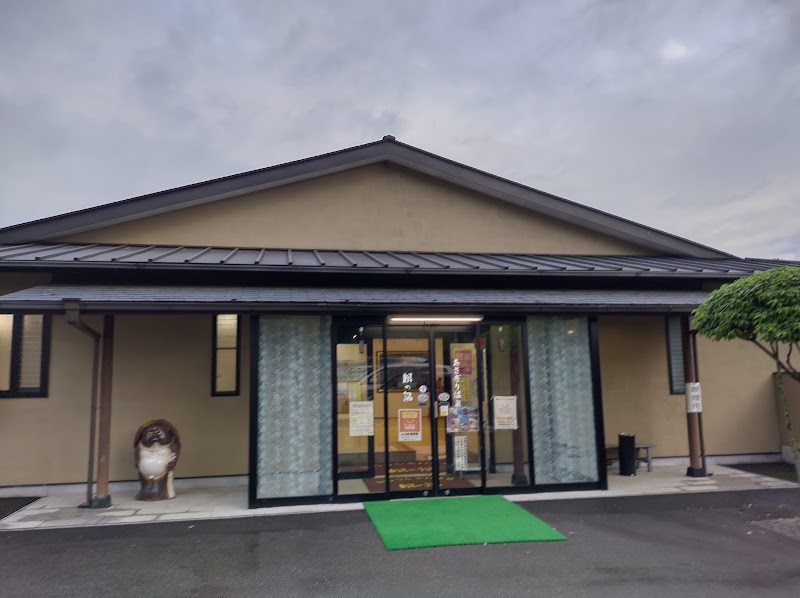
Kazeno-yu sits in Kamiide, Fujinomiya — on the Shizuoka side of Mount Fuji, south of the crater. It's a worthwhile detour if you're combining your trip with Fujinomiya's famous yakisoba (富士宮やきそば) or the Shiraito Falls. suggests solid but unremarkable facilities; the advantage is its less-touristed location, which sometimes means a more relaxed atmosphere toward international visitors. Ask about kazoku-buro (家族風呂, family bath) as an alternative phrasing for private baths — some rural facilities use this term rather than kashikiri. The drive from Lake Kawaguchi takes roughly 40–50 minutes via Route 139, so plan it as a half-day excursion. View on Google Maps
Izumi-no-yu Saiko Lake Fuji Hot Spring — Lake Saiko
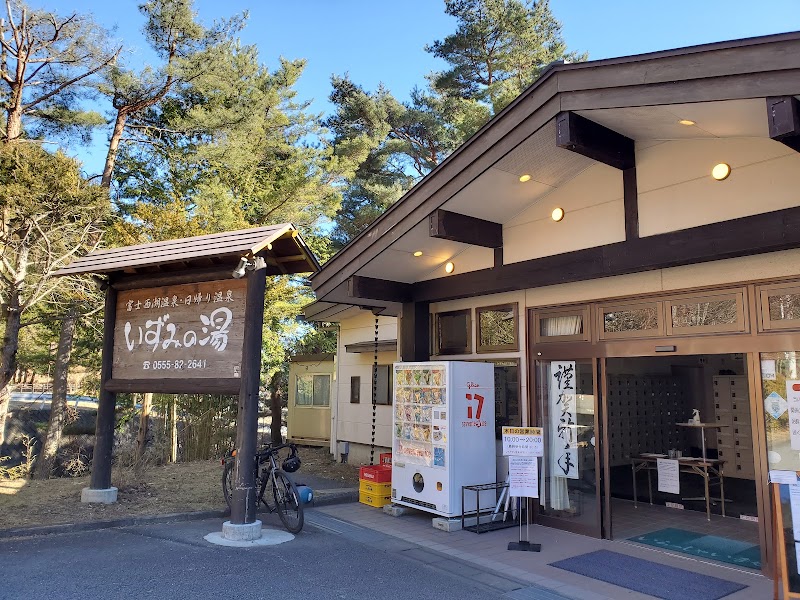
Of the five venues, this one has the most directly useful location for most visitors: Lake Saiko (西湖), one of the quieter Five Lakes, with an address right on the lake. The is respectable for a regional facility. Lake Saiko sits west of the more crowded Lake Kawaguchi and draws visitors who want views without the tour-bus crowds. Proximity to the lake and a tourist-oriented setting suggest staff may be more accustomed to fielding questions in English, but never assume — have your Japanese phrase ready. If communal bathing is restricted, the lakeside setting alone makes a private bath booking worthwhile for the atmosphere. View on Google Maps
How to Verify Before You Go
Tattoo policies change without notice and are rarely updated on English-language platforms. Use this verification checklist:
Check Google Maps reviews directly. Filter by "newest" and search for the word tattoo or irezumi in the Q&A and review sections. Recent visitor reports are more reliable than any policy statement.
Call ahead or email in Japanese. The phrase "Irezumi ga aru baai, nyūyoku wa kanō desu ka?" (入れ墨がある場合、入浴は可能ですか?) — "Is bathing possible if I have a tattoo?" — will get a direct answer. Many facilities respond to Google Maps questions too.
Ask about size thresholds. Some venues allow tattoos only if they can be fully covered by a standard waterproof sticker (roughly 10cm x 10cm). A full sleeve is a different conversation than a small wrist piece.
Book kashikiri in advance. Private baths at popular facilities sell out, especially on weekends and during Golden Week or Obon. Don't treat it as a fallback you can arrange on arrival.
Verify opening hours and prices on Google Maps or the venue's official site before visiting — these details change seasonally and are outside the scope of what this guide can reliably confirm.
Practical Tips for Tattooed Bathers in This Region
Carry waterproof cover stickers (irezumi kakushi シール) at all times — they're available at large drug stores like Matsumoto Kiyoshi and on Amazon Japan. A polite, unhurried approach at the front desk goes further than any translation app. Bowing slightly when asking shows cultural awareness and often softens the interaction. If a facility turns you away from the communal bath, thank them (arigatō gozaimashita) and ask specifically about private options before leaving — you may be surprised. The Fuji Five Lakes region, driven by heavy international tourism, is more progressive on this issue than rural onsen towns, but individual staff discretion still plays a large role. Patience and preparation are your best tools.