Tattoo Friendly Co-Ed Onsen: Best Picks in Japan
By Ikumi H.
Independent guide, based in Japan. Every facility verified via Google Places. How we verify →
Last updated: 2026-10-01 · 5 min read
Finding a co-ed onsen (konyoku) that also welcomes tattoos is one of the trickiest searches a tattooed traveler can run in Japan. Most konyoku are traditional rural ryokan baths, and traditional means conservative — tattoo bans have been standard practice since the Meiji era, reinforced by the yakuza association that still shapes onsen policy today. Add mixed-gender bathing into the equation and your shortlist gets very short.
That said, options exist. The venues below are confirmed operational and have genuine review counts behind them. Policies, however, change. Always verify directly before booking.
Why Tattoo Bans Exist (and How to Work Around Them)
Japanese onsen owners historically banned tattoos to exclude yakuza (organized crime) members, who used full-body irezumi as identity markers. Today that reasoning is increasingly recognized as outdated, but enforcement is owner-driven, not legally mandated, so policies vary wildly from venue to venue.
Your main workarounds are:
- Cover-up stickers (shiiru) – Waterproof patches sold at pharmacies. Most venues that allow stickers set a maximum size (typically palm-sized or smaller). Ask: "Shiiru de hairu koto ga dekimasu ka?" ("Can I enter if I cover my tattoo with a sticker?")
- Private baths (kashikiri-buro or family bath) – You rent the entire bath exclusively. No size limits, no shared space. Ask: "Kashikiri no ofuro wa arimasu ka?" ("Do you have a private bath for exclusive use?")
- Tattoo-OK policies – A growing number of venues explicitly permit tattoos. Look for "tatuū OK" or "irezumi kanō" in Japanese listing pages.
For co-ed baths specifically, mixed bathing (konyoku) usually requires a bathing cloth (yu-maki) for women. Confirm this when you call ahead.
🏨 Find stays near these spots →
Takaragawa Onsen Osenkaku — Gunma
Rating: 4.1 · 3,012 reviews
Located in Minakami, Tone District, Gunma — about two and a half hours from Tokyo by train and bus — Takaragawa Onsen Osenkaku is one of Japan's most photographed outdoor baths (rotenburo). The property sits along a forested river gorge and operates multiple large outdoor pools, some of which have historically been konyoku.
This is one of the most-reviewed onsen in the Gunma region, which gives you a meaningful signal about consistent operations. The volume of international reviews also suggests staff have some experience dealing with foreign visitors and their questions.
Tattoo note: Takaragawa has had a historically complex relationship with tattoo policies. Do not assume access. Call ahead or email in English — the property has handled international inquiries before. Ask specifically whether tattooed guests may use the konyoku pools, whether stickers are accepted, and whether kashikiri baths are available as a fallback. Verify current details and access hours on Google Maps before booking.
Takaragawa Onsen — Gunma (Day-Use Listing)
Rating: 3.9 · 359 reviews
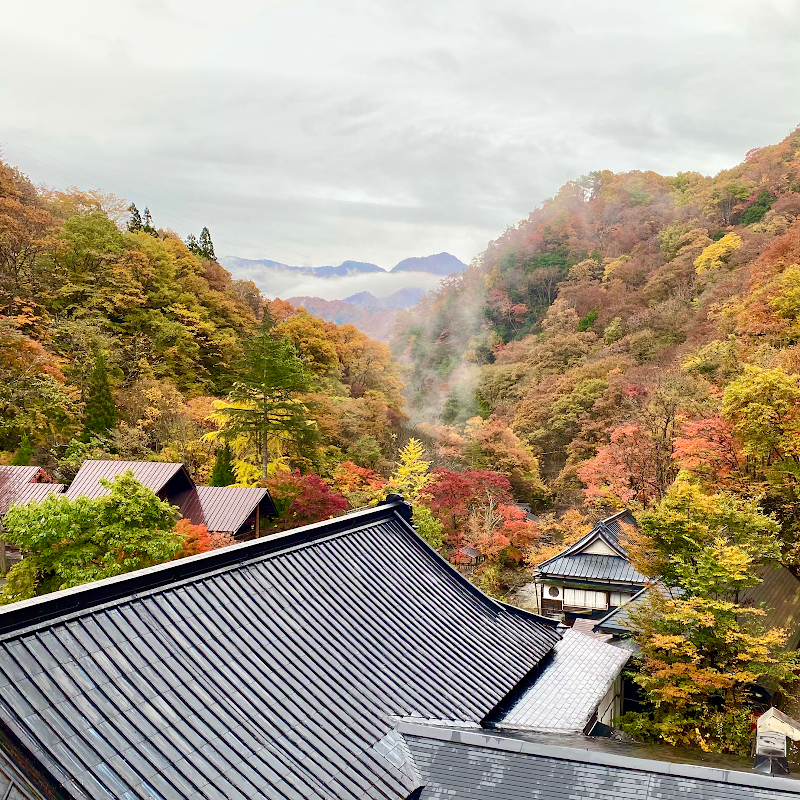
This is a separate Google listing for the Takaragawa Onsen area in Fujiwara, Minakami — also in Gunma's Tone District. The lower review count and rating compared to Osenkaku suggests this may reflect a different access point, day-use facility, or a sub-facility within the broader Takaragawa complex. Treat these as two distinct entry points to research.
If you're planning a day trip rather than an overnight stay, this listing may be the more relevant one to check for day-use (higaeri nyūyoku) availability. Confirm what facilities are accessible without staying overnight, and ask the same tattoo-policy questions outlined above. Check opening hours and current pricing directly via Google Maps.
Hoshi Onsen Chōjukan — Gunma
Rating: 4.3 · 1,528 reviews
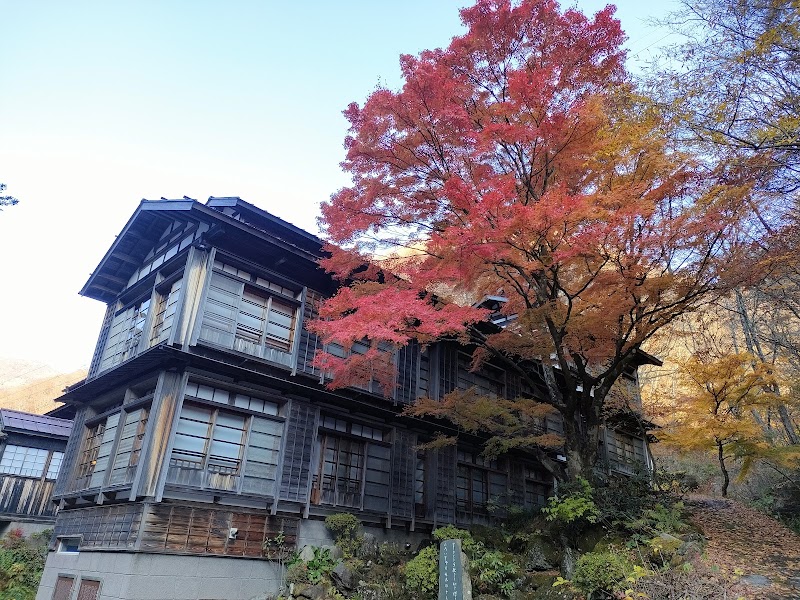
Also in Minakami, Gunma, Hoshi Onsen Chōjukan is a Meiji-era wooden bathhouse with a famous vaulted ceiling that has appeared in countless travel photos. The main bath (Chōjukan no Yu) has operated as a konyoku bath during certain hours — a genuine rarity. It is a historically significant structure and an emotionally different experience from modern resort onsen.
With 1,528 reviews at a 4.3 rating, this is a well-regarded, well-visited property. The traditional architecture also signals a traditional management philosophy — which means tattoo policies may be stricter than at more internationally marketed resorts.
Tattoo note: The konyoku hours here are time-restricted and can change seasonally. Even if the bath itself is co-ed during certain windows, a tattoo ban may apply. Ask specifically: "Tatuū ga aru no desu ga, hairu koto wa dekimasu ka?" ("I have a tattoo — would I be permitted to enter?") Verify the current konyoku schedule and tattoo policy on Google Maps or by phoning the ryokan directly.
RIN-KG Tattoo Studio — Shibuya, Tokyo
Rating: 4.9 · 294 reviews
RIN-KG is a tattoo studio in Sarugakuchō, Shibuya — not an onsen. It appears here because tattooed travelers in Tokyo frequently ask local artists for updated, insider recommendations on where tattooed guests are currently welcome. Artists at well-reviewed studios like RIN-KG tend to know which sento, onsen, and day-spa operators have quietly shifted their policies, and they hear from clients regularly about what's working.
If you're based in Tokyo and planning a bathing trip, stopping into a reputable studio to ask is a legitimate research strategy. Confirm current operations on Google Maps before visiting.
Inked Cat Tattoo Studio — Setagaya, Tokyo
Rating: 4.9 · 50 reviews
Inked Cat is a tattoo studio in Nozawa, Setagaya — again, not a bathing venue. The same logic applies: local artists are some of the most current sources for which nearby sento and onsen have relaxed their policies. Setagaya has a dense network of neighborhood sento (machi no sentō), some of which operate with looser enforcement than tourist-facing onsen resorts.
Verify current operations on Google Maps before making the trip.
How to Verify Before You Go
Policies change without notice. Use this checklist every time:
- Call or email the venue directly. Ask in simple English or use the Japanese phrase: "Tatuū ga atte mo hairemasu ka?" ("Can I enter even with a tattoo?")
- Check Google Maps reviews sorted by Newest — recent visitors often mention tattoo policy encounters in reviews.
- Look for kashikiri availability as your fallback if the main pool is restricted.
- Confirm konyoku hours separately — many venues only run mixed-gender bathing for limited windows each day.
- Search in Japanese for updated community knowledge: 「タトゥー OK 混浴温泉」 (tattoo OK konyoku onsen) on Twitter/X or travel forums like Tripadvisor Japan.
Closing Tips
The Gunma onsen cluster around Minakami is your best starting region for genuine konyoku experiences with at least some documented international visitor traffic. Tokyo's tattoo studios are your best intelligence source for city-adjacent bathing options. Neither substitute for a direct conversation with venue staff before you travel.
Bring waterproof cover stickers regardless. Have the kashikiri question ready. And when in doubt, book overnight — ryokan guests tend to receive more flexible treatment than day visitors.