Tattoo and Onsen in Japan: 5 Verified Venues That Welcome Ink
By Ikumi H.
Independent guide, based in Japan. Every facility verified via Google Places. How we verify →
Last updated: 2026-10-01 · 5 min read
Finding an onsen or sento that accepts tattoos in Japan is genuinely difficult — not because facilities are rare, but because policies vary wildly, change without notice, and are rarely posted in English. The historical reason for the restriction runs deep: tattooing in Japan was long associated with the yakuza, and many traditional bathhouses adopted blanket bans to signal safety to their clientele. That stigma is slowly fading, particularly in urban and tourist-heavy areas, but it has not disappeared. This guide cuts through the confusion with five verified, operational venues, practical Japanese phrases, and the vetting process you should run before every visit.
Understanding the Rules Before You Strip Off
Tattoo policies in Japan fall into three broad categories: full ban, cover-up allowed (シールOK, shiiru OK), or open admission. Cover-up policies typically mean waterproof adhesive stickers (irezumi shiiru / 入れ墨シール) over tattoos smaller than a set size — often roughly 5–10 cm in diameter. Large back pieces or full sleeves generally cannot be covered and may still trigger denial. Private baths (kashikiri buro / 貸し切り風呂) are the cleanest workaround: you rent the entire bath for your group, removing the social friction entirely. Always call ahead and ask directly: 「タトゥーがあるのですが、入浴できますか?」 (Tatū ga aru no desu ga, nyūyoku dekimasu ka?) — "I have a tattoo; is bathing allowed?"
🏨 Find stays near these spots →
Tenzan Onsen — Hakone, Kanagawa
Tenzan Onsen sits in Yumoto, Hakone's most accessible hot spring village, and has built a substantial reputation with a on Google Maps. That volume of feedback is a reliable signal: this is a serious facility with genuine throughput, not a pop-up operation.
Hakone is one of the regions where tattoo policy conversations have evolved most visibly, driven by heavy international tourism. Tenzan is worth contacting specifically about their current stance, whether cover stickers are accepted, and whether kashikiri options are available. The outdoor baths here draw particular praise, and the Yumoto location means you can combine it with a ryokan stay. Verify current policy and hours on Google Maps before making the trip.
Hasunuma Onsen — Ota City, Tokyo
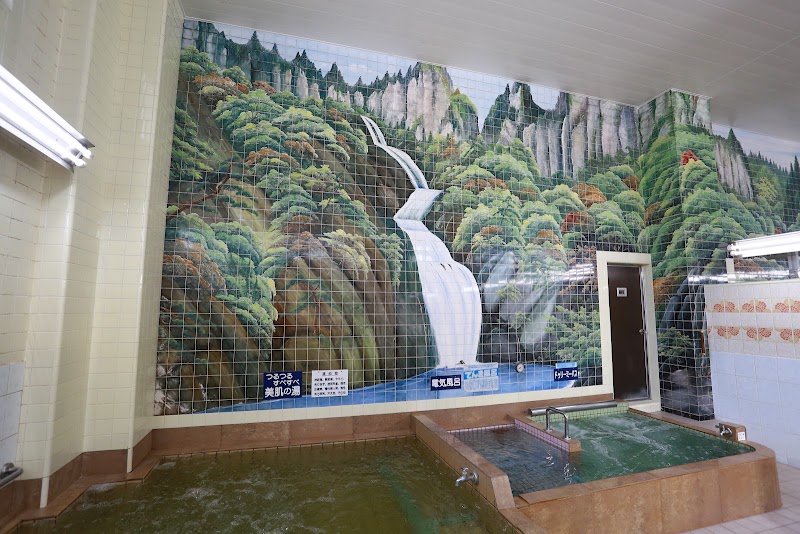
Ota City is a working-class ward in southern Tokyo, and Hasunuma Onsen reflects that neighbourhood character: a functional, no-fuss bathhouse with genuine local regulars. Its suggests consistent quality without the premium ryokan price tag.
Neighbourhood sento in Tokyo have historically been more pragmatic about tattoos than resort-style onsen, partly because their customer base has always included a wider cross-section of the city. That said, individual owners set their own rules. Hasunuma is the kind of place where a polite phone call in advance — or arriving during a quieter weekday morning — makes a real difference. Check current details on Google Maps.
Yamato-no-Yu Public Bath — Narita, Chiba
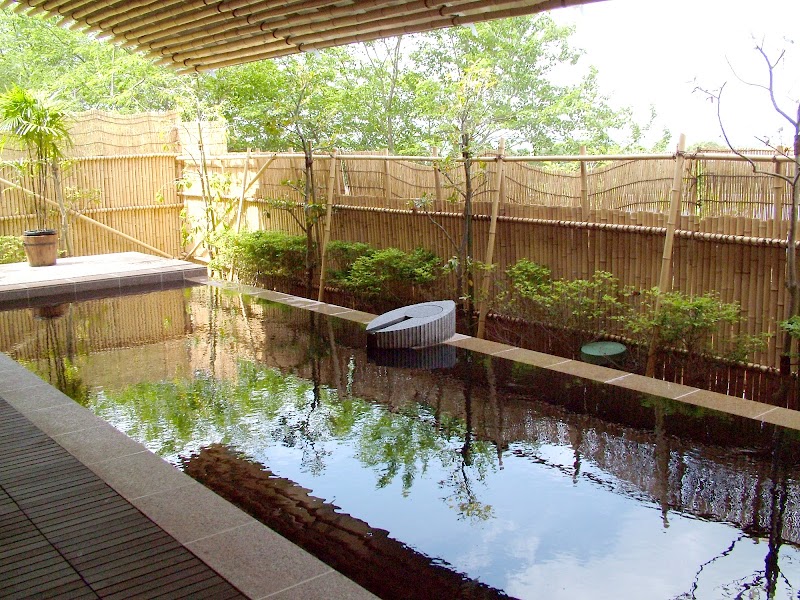
If you have a layover or early departure from Narita Airport, Yamato-no-Yu in Odake is a genuine find. With a , it clearly serves a volume of travellers who appreciate a clean, accessible facility outside the airport itself.
Proximity to an international gateway often correlates with more relaxed tattoo policies — facilities in these zones have long dealt with foreign guests who simply don't carry the cultural associations that drive Japanese bans. It's worth confirming whether cover stickers are sufficient here and whether any kashikiri rooms exist. Useful if you're spending a night in Narita rather than rushing back to Tokyo. Current details at Google Maps.
Hōheikyō Hot Spring — Jōzankei, Sapporo
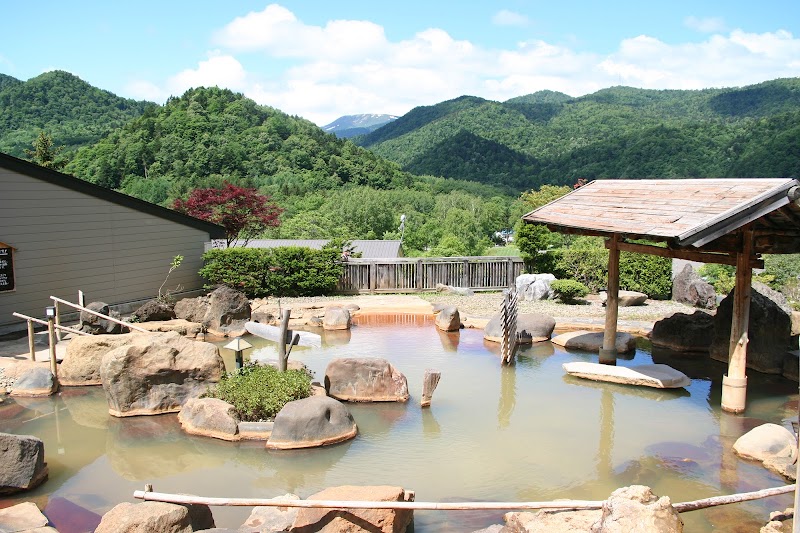
Hokkaido operates on a different rhythm from Honshu, and Jōzankei — a hot spring town tucked into a river valley about 35 km from central Sapporo — has a long-standing reputation for quality onsen with fewer tourists than Hakone or Beppu. Hōheikyō Hot Spring carries a , which is exceptional for a facility outside a major urban centre.
Sapporo-area onsen have seen growing international visitors, particularly from South Korea and China, and some facilities have adapted their policies accordingly. Hōheikyō is large enough that private bath enquiries are worth making specifically. The Jōzankei setting — forested gorge, river views — makes this one worth planning around. Verify current policy and seasonal hours on Google Maps.
Sakaeyu Sentō — Taito City, Tokyo
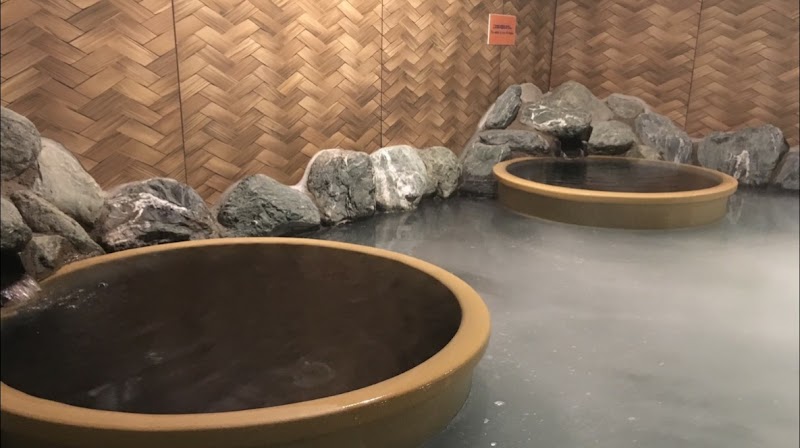
Sakaeyu sits in Nihonzutsumi, Taito Ward — a neighbourhood with a long, layered history that includes the old Yoshiwara district. This is old Tokyo, and Sakaeyu reflects it. Its marks it as one of the more celebrated traditional sento in the city.
Classic sentō (銭湯) like Sakaeyu are culturally distinct from resort onsen: they use heated tap water rather than natural spring water, they're smaller, more intimate, and deeply embedded in neighbourhood life. Some Tokyo sento have quietly become tattoo-friendly as their regular clientele has shifted. The Nihonzutsumi location also puts it within easy distance of Asakusa. Call ahead, ask politely, and check whether cover stickers satisfy their current rules. Full details on Google Maps.
How to Verify Before You Go
Tattoo policies change, and no article — including this one — can guarantee a policy is still current on the day you visit. Run this checklist before every visit:
- Call or email the venue directly. Use the phrase above. Many front desk staff in tourist areas speak basic English; if not, a Japanese-speaking friend or a translation app works well.
- Check recent Google reviews. Filter for reviews from the last three months and search for keywords like "tattoo," "irezumi" (入れ墨), or "shiiru" (シール). Recent visitors often mention policy experiences explicitly.
- Look for posted policies on official websites or their Google Business profile. Some venues now state tattoo rules in English under FAQs.
- Buy cover stickers before you travel. Waterproof adhesive patches (irezumi kakushi shiiru) are available on Amazon Japan and in some Don Quijote stores. Bring more than you think you need.
- Ask about kashikiri (貸し切り) availability. Private baths typically cost extra — expect 1,000–3,000 yen more per session — but remove the policy issue entirely for most body placements.
Final Tips for Tattooed Bathers in Japan
Attitude matters as much as ink placement. Being calm, prepared, and polite goes a long way at the front desk. If a facility declines, accept the decision gracefully — pushing back creates friction that makes things harder for the next tattooed visitor. Japan's onsen culture is genuinely worth experiencing; with the right preparation, you can access it without the anxiety.