Japan Onsen Tattoo Cover Up: Best Studios in Tokyo
By Ikumi H.
Independent guide, based in Japan. Every facility verified via Google Places. How we verify →
Last updated: 2026-10-01 · 5 min read
Getting ink into a Japanese onsen is genuinely complicated. Most facilities still ban visible tattoos outright, rooted in decades of association with yakuza (organized crime). Even well-meaning cover-up sticker rules vary wildly from one bath house to the next — some accept a small waterproof patch over a wrist piece, others enforce a blanket no-tattoo policy regardless. Before you commit to any onsen strategy, having a skilled studio handle fresh work or touch-ups with proper aftercare advice is step one. Below are five verified Tokyo tattoo studios with strong international reputations, followed by the practical cover-up playbook you actually need.
Japan Tattoo (Tokyo Shinjuku Tattoo Studio Japan Tattoo)
Located in Shinjuku, this studio holds a — a strong signal for consistent quality. View on Google Maps
Shinjuku is a natural base if you're also planning to hit any of the neighborhood's sento (public bathhouses) or day-trip to onsen towns like Hakone. Ask the artists here directly about placement — experienced Tokyo artists often know which body locations are easiest to cover with ishibari (waterproof medical tape) or neoprene patches for a brief onsen visit. Verify current booking slots and consultation hours on their Google Maps listing before visiting.
🏨 Find stays near these spots →
Tokyo Tattoo Shop TATTOOTATTOO
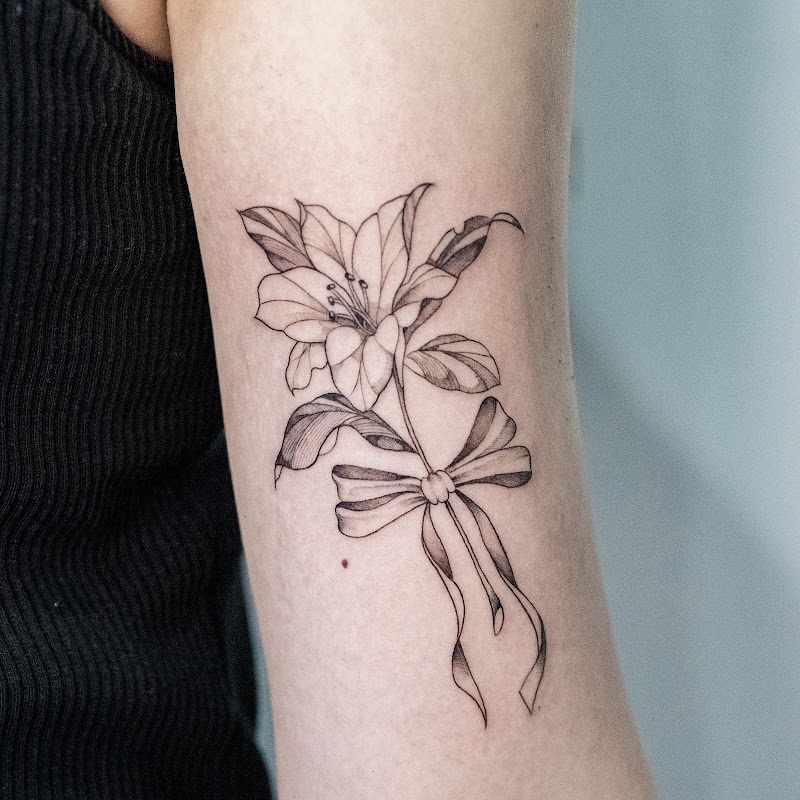
Sitting in Jingūmae, Shibuya, TATTOOTATTOO carries a remarkable . View on Google Maps
A perfect score at that review volume suggests the studio handles international clients smoothly — an important detail when you need clear communication about placement, healing timelines, and onsen restrictions. Fresh tattoos and hot water are already incompatible (you need to stay out of onsen for at least three to four weeks during healing), so discussing your travel itinerary with your artist here could shape when and where you schedule bathing experiences. Check their current availability and consultation process on Google Maps.
RIN-KG Tattoo Studio
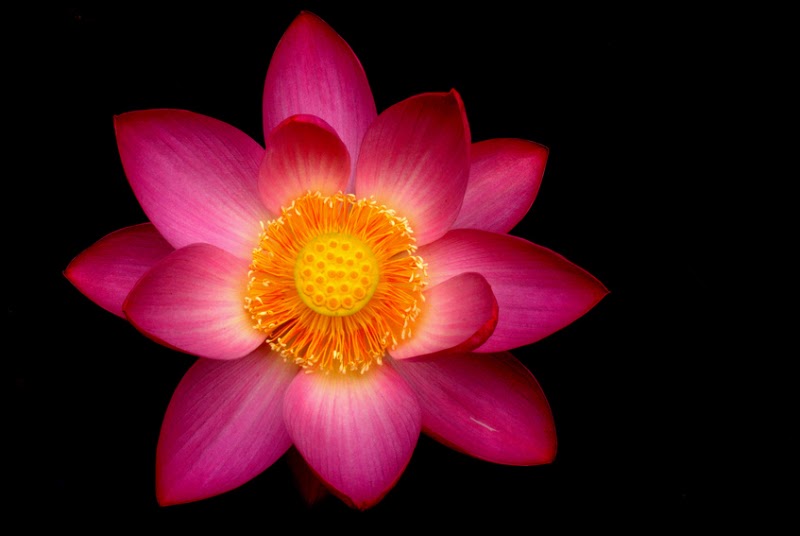
Based in Sarugakuchō, Shibuya, RIN-KG holds a . View on Google Maps
Shibuya's Daikanyama-adjacent area attracts artists with refined, detail-oriented styles. If you're thinking about cover-up tattoo work specifically — ink over older pieces to make them smaller or more concealable for kashikiri (private bath) bookings — studios at this quality level are worth consulting. A kashikiri or kazoku-buro (family bath) is typically a small private bathing room you reserve by the hour; these are the most tattoo-friendly onsen options in Japan because no other guests are present. Confirm studio hours and booking requirements via their Google Maps page.
Fuga Tattoo Shop Shinjuku
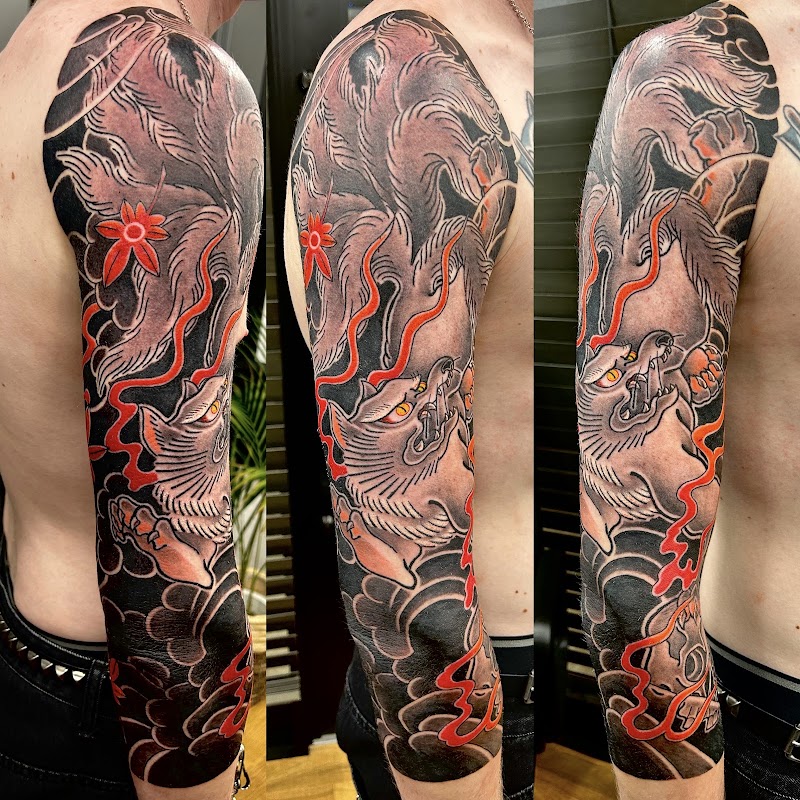
Also in Shinjuku, Fuga carries a . View on Google Maps
Two strong studios in the same Shinjuku neighborhood gives you comparison options without cross-town travel. When meeting any Tokyo artist, it's worth asking: "Onsen ni tattoo wo kakusu tame no best na ichi wa doko desu ka?" — roughly, "Where is the best placement to hide a tattoo for onsen?" Experienced local artists give genuinely useful practical answers. Verify walk-in availability versus appointment-only policy before making the trip.
GRAY TATTOO
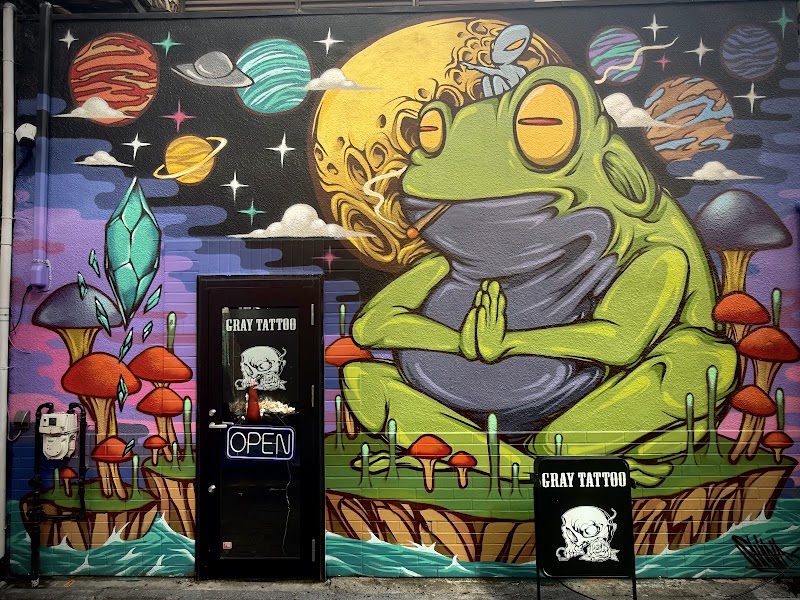
Located on Dōgenzaka, Shibuya, GRAY TATTOO leads this list by review volume: a . View on Google Maps
That volume of five-star reviews at a Tokyo tattoo studio is exceptional and points to a well-run operation with strong repeat and referral clientele. Dōgenzaka puts you deep in Shibuya, which has transit links to both central Tokyo sento and day-trip onsen destinations. This is a strong first stop if you want professional tattoo cover-up advice alongside quality artwork. As always, confirm operating hours and booking process through their current Google Maps listing.
How to Verify Before You Go
Google Maps listings update more frequently than any published guide. Before visiting any studio above, check three things:
1. Confirm they are open. Hours change seasonally and without notice. The "Popular times" graph on Google Maps also indicates whether a studio actually receives regular foot traffic.
2. Read recent reviews in English. Filter by "Newest" to catch any recent reports of closures, policy changes, or English-language service issues.
3. Ask about onsen cover-up specifically. Send a quick message via Google Maps or Instagram DM: "Do you have advice on tattoo placement for onsen visits in Japan?" A studio that understands the question is a studio that works with international clients regularly.
The Tattoo Cover-Up Playbook for Onsen in Japan
Knowing the studios is only half the equation. Here is the practical framework for tattooed visitors:
Waterproof sticker patches (ishibari). Some onsen accept small waterproof bandages or neoprene patches over tattoos under roughly 10cm × 10cm. This is venue-specific — call ahead or check the facility's website for "tattoo cover kyoka" (tattoo cover permitted) language. Facilities that allow covers usually state it clearly.
Private baths (kashikiri / kazoku-buro). Booking a private bath room is the most reliable tattoo-friendly strategy at traditional onsen. Search for onsen with "kashikiri buro ari" (private bath available) combined with your destination. Prices vary but the privacy removes all enforcement concerns.
Sento vs. onsen. Urban sento (public bathhouses) are regulated at the municipal rather than national level, and a growing number of Tokyo sento have quietly adopted tattoo-welcoming policies or private bath options. Sento are worth researching separately from onsen when you're based in Tokyo.
Tattoo-friendly onsen lists. Search "tattoo OK onsen Japan" or the Japanese phrase "tattoo OK onsen" on tourism sites. The landscape is genuinely changing — more facilities now compete for international visitors — but policies still vary dramatically even within the same region.
Timing your ink and your soaks. If you're getting tattooed in Tokyo and planning an onsen trip later in the same holiday, build in at minimum three to four weeks of healing time and keep fresh work out of any soaking water entirely. Your artist will advise based on placement and healing progress.
The combination of a reputable Tokyo studio and a clear cover-up or private-bath strategy gets most tattooed travelers into Japanese onsen without confrontation. Do the verification legwork before arrival and the actual bathing experience is straightforward and genuinely worth the extra planning.