Best Hotels with Tattoo-Friendly Onsen in Japan
By Ikumi H.
Independent guide, based in Japan. Every facility verified via Google Places. How we verify →
Last updated: 2026-10-01 · 5 min read
Finding a hotel with a tattoo-friendly onsen takes more than a Google search. Most Japanese bathing facilities — from resort ryokan to neighbourhood sento — still prohibit visible tattoos, a policy rooted in the historical association between tattoos and yakuza (organised crime). Attitudes are shifting, particularly in areas with high international visitor traffic, but "tattoo-friendly" means different things at different venues: some allow small tattoos freely, others require waterproof cover-up stickers (シール, shiiru), and others offer private kashikiri baths as a workaround. The five verified venues below are confirmed operational with strong review counts — always contact each property directly before your visit to confirm their current policy.
Onsen Guesthouse TSUTAYA — Hakone, Kanagawa
Rated , TSUTAYA sits in the Sokokura area of Hakone, one of Japan's most visited hot spring regions. Guesthouses in Hakone increasingly cater to international backpackers and solo travellers, and TSUTAYA's consistently high ratings suggest a welcoming atmosphere. Before booking, ask directly: "Irezumi ga arimasu ga, onsen wa riyō dekimasu ka?" ("I have a tattoo — can I use the onsen?") This phrasing signals cultural awareness and tends to get a straight answer. If the communal bath is off-limits, ask whether a kashikiri (貸切, private reserved bath) is available. Many smaller guesthouses in Hakone offer private bath slots that can be booked by the hour. Check current availability and pricing on Google Maps.
🏨 Find stays near these spots →
The Ryokan Tokyo YUGAWARA — Yugawara, Kanagawa
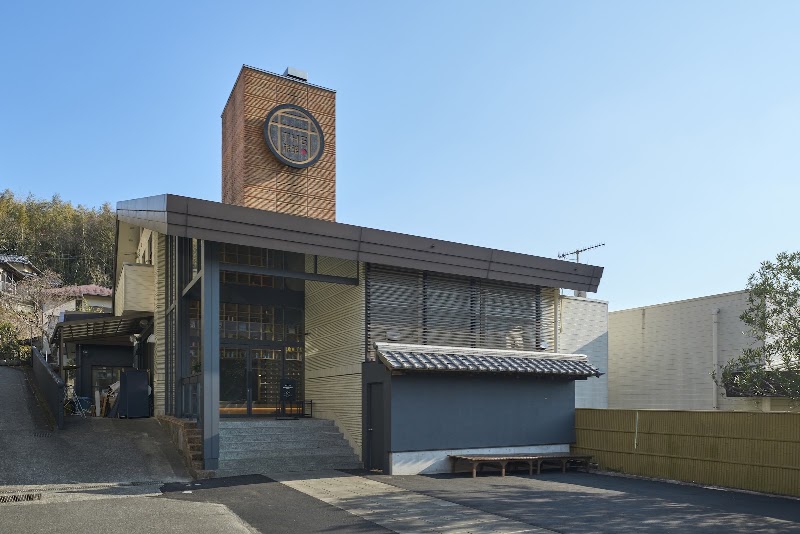
Yugawara is a quieter alternative to Hakone, known for high-quality sulfurous spring water and a relaxed pace. The Ryokan Tokyo YUGAWARA, located in the Miyakami area, holds a — a more modest score that warrants a closer look at recent guest feedback before booking. Review language matters here: search specifically for mentions of irezumi (入れ墨) or tattoo in Google reviews. A ryokan brand with "Tokyo" in the name often targets international guests, which can correlate with more flexible tattoo policies, but this is not guaranteed. The property is worth contacting to clarify whether the in-house onsen is communal or private, and whether a full-body tattoo would be accommodated differently from a small wrist piece. View current details on Google Maps.
K's House Ito Onsen — Itō, Shizuoka
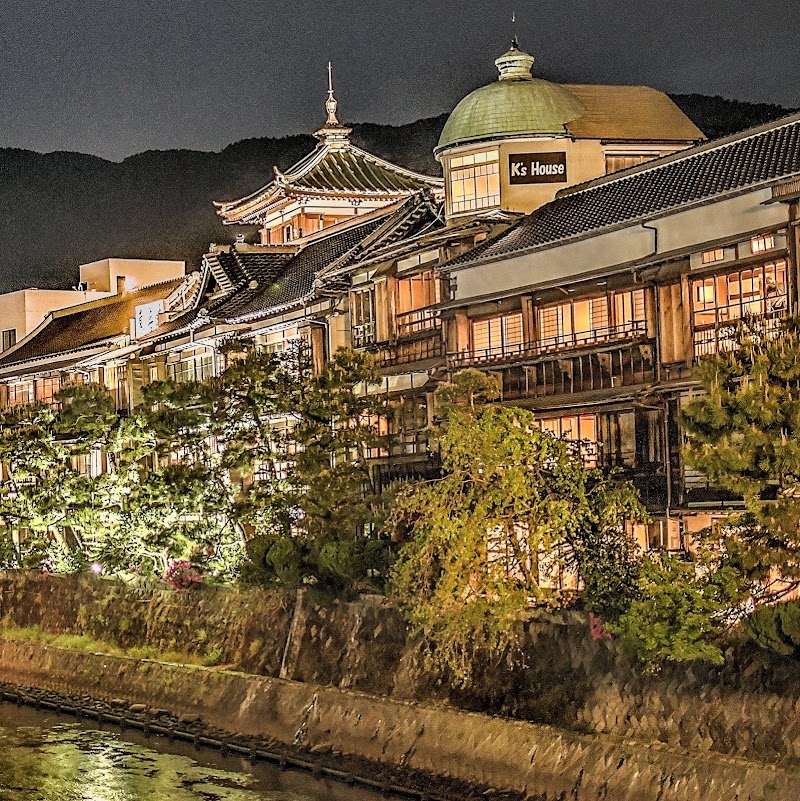
This is the standout pick for budget-conscious tattooed travellers. K's House Ito Onsen carries an exceptional — a volume that provides real statistical confidence. K's House is a hostel brand built around the international traveller market, and the Itō property is set directly within an onsen town on the Izu Peninsula. Properties in the K's House network have historically been among the more tattoo-inclusive accommodation options in Japan, though policies at individual branches can vary. With a review base this large, you can scroll recent reviews specifically for tattoo-related comments before committing. The Itō onsen area itself has multiple bathing facilities, so even if the in-house bath has restrictions, you may find nearby alternatives. Verify current policy and book via Google Maps.
Mannen-yu — Shinjuku, Tokyo
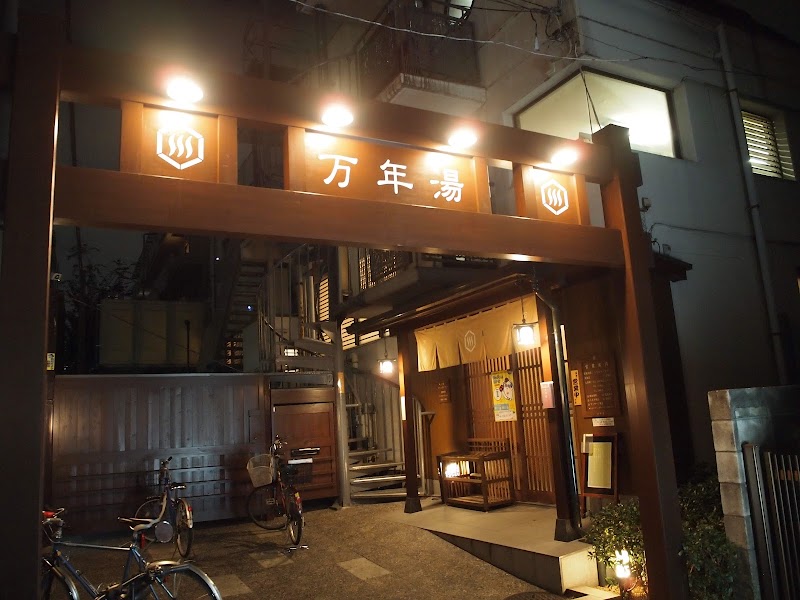
Mannen-yu is not a hotel — it's a sento (銭湯, public bathhouse), which operates under different rules than onsen resorts. Located in Ōkubo, Shinjuku — one of Tokyo's most internationally diverse neighbourhoods — Mannen-yu holds a strong , making it one of the most-reviewed bathing facilities in this guide. Sento are regulated by Tokyo Metropolitan ordinance rather than private resort policy, and while historically strict, enforcement varies widely by individual establishment. Ōkubo's demographic mix means Mannen-yu sees more tattooed international visitors than most Tokyo bathhouses. That said, you should call ahead or check current Google reviews for tattoo-specific experiences before walking in. If you have larger or sleeve tattoos, ask about shiiru (waterproof cover stickers) — small tattoos covered completely may be acceptable where uncovered tattoos are not. See current information on Google Maps.
Tenzan Onsen — Hakone, Kanagawa
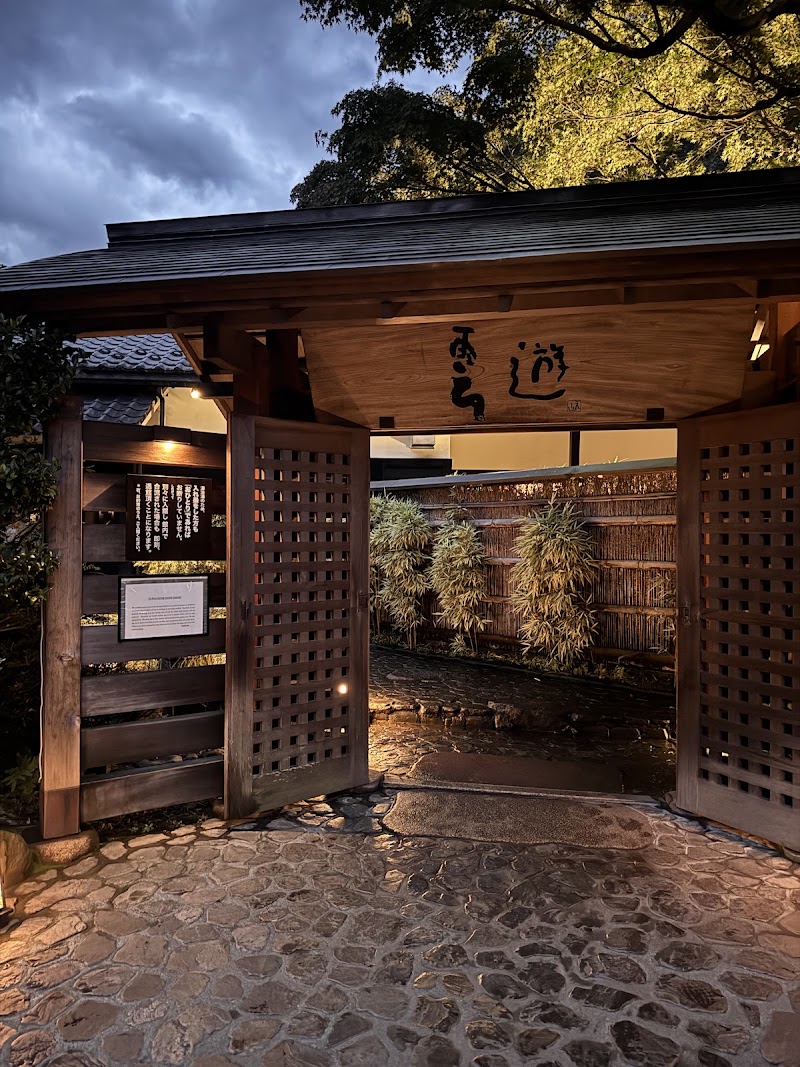
Tenzan Onsen in the Yumotochaya area of Hakone is the highest-volume venue in this roundup: . That review count means its reputation is hard to fake in either direction. Tenzan is a large day-use onsen complex with multiple indoor and outdoor baths, and it draws a significant international crowd due to its proximity to central Hakone. Large day-use facilities like this sometimes adopt cover-sticker policies rather than outright bans, which is worth clarifying when you call. The scale of Tenzan also means it may offer kashikiri options or separate bathing areas. For tattooed visitors doing a day trip from Tokyo, this is one of the most practical and highly reviewed options to investigate first. Check current policy and hours on Google Maps.
How to Verify Before You Go
Never assume a tattoo-friendly reputation holds permanently — policies change, managers change, and seasonal staffing affects enforcement. Here's a practical verification checklist:
Call or email in advance. Use this Japanese phrase in writing: "Tattoo (irezumi) ga aru baai, nyūyoku wa kanō desu ka?" (タトゥー(入れ墨)がある場合、入浴は可能ですか?) — "Is bathing possible for guests with tattoos?" Most properties will respond clearly.
Filter Google reviews by language and keyword. Search for "tattoo" in English reviews and "タトゥー" in Japanese reviews. Recent reviews (within 6 months) carry more weight than older ones.
Ask about kashikiri availability. Even if communal baths are restricted, a private bath reserved for your group solves the problem entirely. Ask: "Kashikiri wa arimasu ka?" (貸切はありますか?)
Understand the sticker rule. Many venues allow tattoos fully covered by waterproof silicon patches (boei shiiru or similar). Carry your own — sizes vary and venues don't always provide them. Note that full sleeves or back pieces cannot realistically be covered this way.
Practical Closing Tips
Tattoo policy in Japan is genuinely in transition. Major onsen towns like Hakone and Beppu are seeing more facilities adopt inclusive policies as international tourism grows. The venues above represent a cross-section of the current landscape: hostel-style accommodation, traditional ryokan, urban sento, and day-use resort complexes. Each requires individual verification. Build your itinerary with a confirmed private bath option as a fallback — the water itself is always worth it.